Buying a home is one of the most significant investments in life, and choosing the right type of property is just as important as selecting the right location. Today, homebuyers have several options, including apartments, villas, independent houses, duplexes, and row houses Among these, row houses have gained popularity because they offer a perfect balance between apartment living and independent homes.
A row house provides privacy, more living space, and a community lifestyle at a price that is often more affordable than a villa. Whether you’re a first-time homebuyer, an investor, or someone looking for a spacious family home, understanding what a row house is can help you make an informed decision.
In this comprehensive guide, we’ll explore what a row house is, its features, types, benefits, disadvantages, and whether it’s a good investment, especially in developing real estate markets like Greater Noida West.
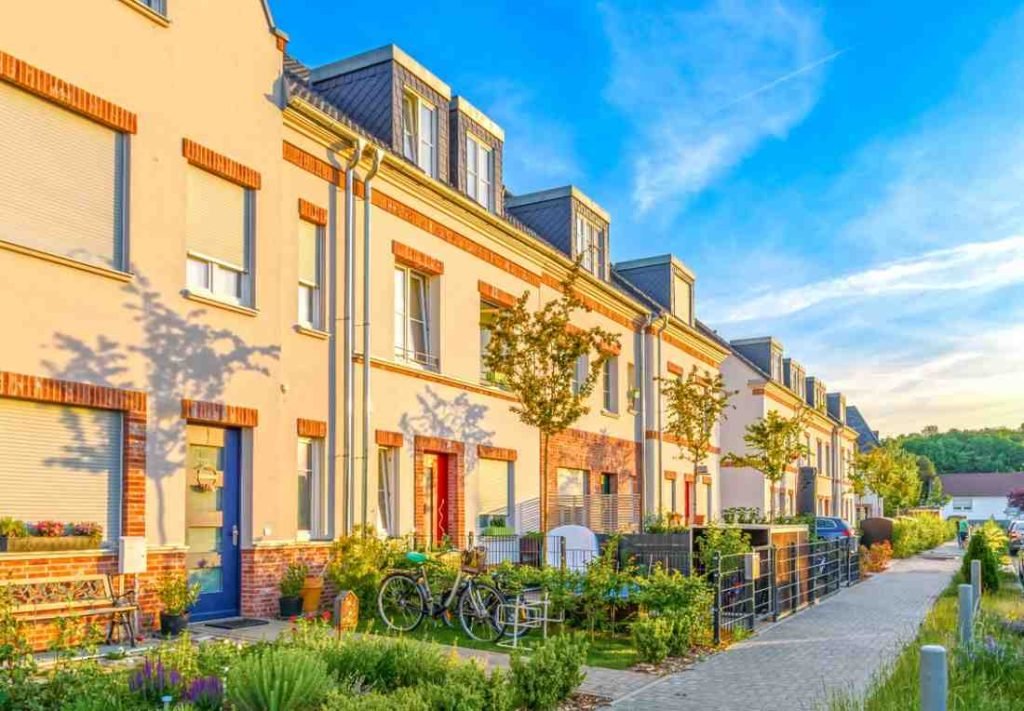
What Is a Row House?
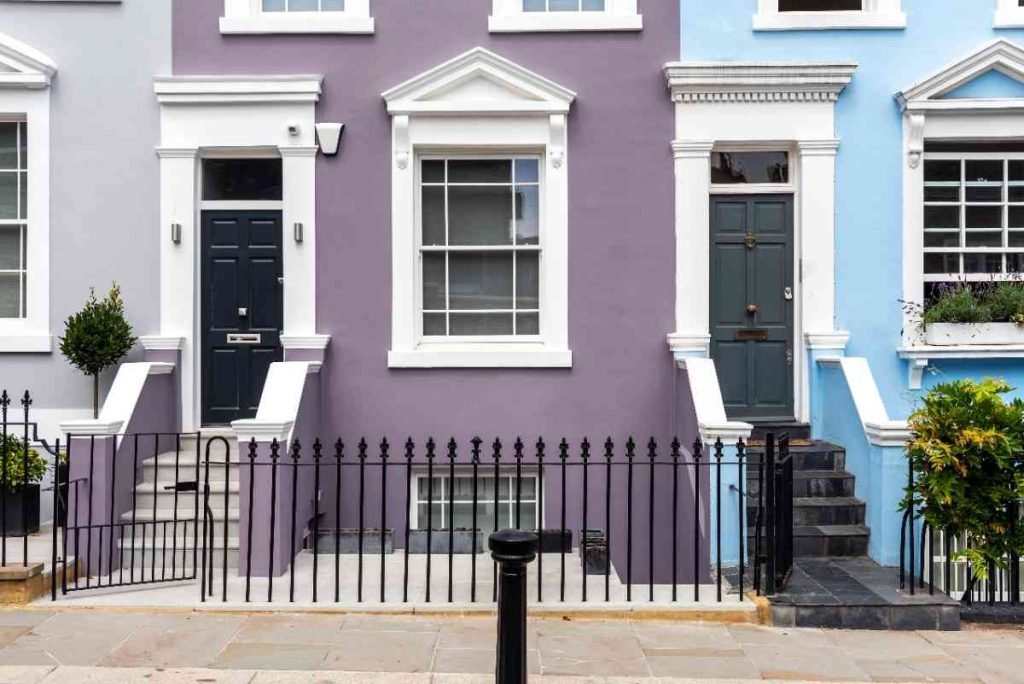
A row house is a residential property that is built in a continuous row of similar homes. Each house shares one or two side walls with neighboring houses but has its own separate entrance, ownership, and often a small front and backyard.
Unlike apartments, where residents share floors and common corridors, row houses are individual units that provide greater privacy while still being part of a planned residential community.
Simple Definition
A row house is an independent residential unit that shares common side walls with adjacent houses but has its own entrance and ownership rights.
History of Row Houses
Row houses have existed for centuries and became popular in European cities during the 17th and 18th centuries. They were designed to maximize land utilization while providing individual homes for families.
Today, row houses are common in countries like:
- India
- United Kingdom
- United States
- Canada
- Australia
- Singapore
In India, row houses are increasingly being developed in metropolitan cities and emerging locations such as Greater Noida West, Pune, Bengaluru, Hyderabad, and Ahmedabad.
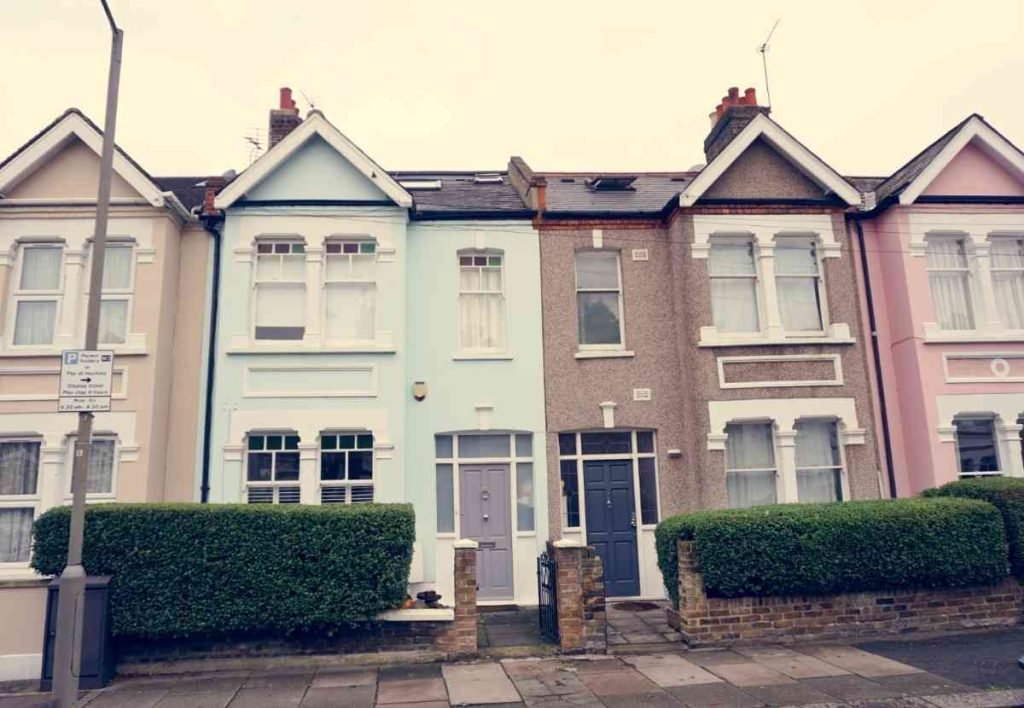
Key Features of a Row House
A row house combines the benefits of independent living with planned community infrastructure.
1. Shared Side Walls
The defining feature of a row house is that it shares one or both side walls with neighboring units, reducing construction costs and improving land utilization.
2. Independent Entrance
Every row house has its own private entrance, unlike apartments where common lobbies and corridors are shared.
3. Multiple Floors
Most row houses are built over two or three floors.
Typical layout:
- Ground Floor – Living room, dining area, kitchen
- First Floor – Bedrooms
- Second Floor – Additional bedroom, study, or terrace
4. Private Outdoor Space
Many row houses include:
- Front garden
- Backyard
- Balcony
- Terrace
- Parking area
These outdoor spaces add to the comfort and usability of the property.
5. Individual Ownership
Owners typically have ownership of:
- The house structure
- The land beneath the property
- Front and rear open spaces (subject to project layout)
This differs from apartments, where land ownership is shared through the Undivided Share of Land (UDS).
Types of Row Houses
Depending on the project and location, row houses come in various configurations.
1. Standard Row House
The most common type where all houses are similar in size, design, and layout.
Suitable for:
- Families
- First-time homebuyers
- Gated communities
2. Corner Row House
Located at the end of a row, these units typically offer:
- Larger plot size
- More natural light
- Better ventilation
- Additional open space
Corner row houses are generally priced higher due to these advantages.
3. Luxury Row House
Premium developments may include:
- Private gardens
- Modular kitchens
- Smart home systems
- Clubhouse access
- Premium interiors
Luxury row houses are designed for buyers seeking villa-like living with modern amenities.
4. Duplex Row House
These homes feature two interconnected floors within a single unit.
Benefits include:
- Separate living and sleeping areas
- Better privacy
- Spacious interiors
5. Gated Community Row Houses
Many developers offer row houses within secure gated communities featuring:
- Security
- Landscaped parks
- Children’s play areas
- Clubhouse
- Gym
- Swimming pool
- Walking tracks
Difference Between Row House and Villa
Many buyers confuse row houses with villas.
| Feature | Row House | Villa |
|---|---|---|
| Shared Walls | Yes | No |
| Plot Size | Moderate | Large |
| Privacy | High | Very High |
| Cost | Lower | Higher |
| Maintenance | Moderate | Higher |
| Land Utilization | Efficient | Less Dense |
If you want independent living at a relatively affordable price, a row house is often a better choice than a villa.
Difference Between Row House and Apartment
| Feature | Row House | Apartment |
|---|---|---|
| Entrance | Private | Shared |
| Floors | Multiple | Single |
| Outdoor Space | Usually available | Limited |
| Privacy | High | Moderate |
| Parking | Private | Common |
| Ownership | House + land | Apartment + UDS |
Benefits of Buying a Row House
1. More Privacy
Since there are no neighbors above or below your home, row houses provide a quieter and more private living environment.
2. Better Ventilation
With open spaces at the front and back, row houses generally enjoy better airflow and natural lighting than apartments.
3. Family-Friendly Living
Row houses provide:
- More bedrooms
- Separate living spaces
- Outdoor play areas
- Safe neighborhood environment
This makes them ideal for growing families.
4. Better Investment Potential
Land is a valuable asset that tends to appreciate over time.
Since row houses usually include ownership of land, they often perform well as long-term investments.
5. Community Lifestyle
Most modern row house projects include amenities such as:
- Clubhouse
- Landscaped gardens
- CCTV surveillance
- Fitness center
- Children’s parks
Residents enjoy community living while maintaining individual privacy.
6. Customization
Unlike apartments, row house owners often have greater flexibility to:
- Renovate interiors
- Upgrade kitchens
- Landscape gardens
- Modify terraces (subject to local regulations)
7. Lower Density Living
Compared to high-rise apartments, row house communities generally have fewer residents, resulting in:
- Less congestion
- More open space
- Peaceful surroundings
Disadvantages of Row Houses
While row houses have many advantages, buyers should also consider potential drawbacks.
Higher Price Than Apartments
A row house is usually more expensive than an apartment of similar built-up area because it includes land ownership.
Maintenance Responsibility
Owners are responsible for maintaining:
- Roof
- Exterior walls
- Garden
- Private parking
This may involve higher maintenance costs than apartment living.
Limited Availability
Row house projects are less common than apartment developments, particularly in densely populated urban centers.
Shared Side Walls
Although privacy is better than apartments, row houses still share walls with neighboring units.
Proper sound insulation becomes important.
Is a Row House a Good Investment?
Yes, row houses can be an excellent investment, especially in rapidly developing areas.
Reasons
- Land ownership
- High appreciation potential
- Strong rental demand
- Limited supply
- Family-oriented buyers
Locations with expanding infrastructure often experience steady demand for row houses.
Who Should Buy a Row House?
A row house is ideal for:
Families
Need larger living spaces and private outdoor areas.
Professionals
Want independent living without villa-level costs.
Investors
Looking for long-term appreciation.
Senior Citizens
Prefer peaceful communities with fewer residents.
Things to Check Before Buying a Row House
Before purchasing, verify the following:
Legal Documents
- Title deed
- Sale agreement
- RERA registration
- Approved building plan
- Occupancy certificate (if ready-to-move)
Construction Quality
Inspect:
- Foundation
- Roofing
- Plumbing
- Electrical fittings
- Waterproofing
Plot Size
Understand:
- Built-up area
- Carpet area
- Plot area
These are different measurements.
Community Amenities
Check availability of:
- Security
- Clubhouse
- Parks
- Power backup
- Water supply
- Parking
Connectivity
Evaluate nearby:
- Schools
- Hospitals
- Metro stations
- Shopping centers
- Highways
Row House vs Independent House
| Feature | Row House | Independent House |
|---|---|---|
| Cost | Lower | Higher |
| Community Amenities | Yes | Usually No |
| Security | Better | Depends |
| Maintenance | Moderate | Owner-managed |
| Privacy | High | Highest |
Row House vs Duplex
A duplex refers to the layout of a home, while a row house refers to the arrangement of homes.
A row house can also be a duplex if it has two internal floors.
Row House Trends in India
The demand for row houses has increased due to:
- Preference for low-density living
- Hybrid work culture
- Need for larger homes
- Rising apartment maintenance costs
- Better lifestyle expectations
Developers are increasingly launching row house projects in suburban and developing areas.
Row Houses in Greater Noida West
Greater Noida West has emerged as one of the fastest-growing residential destinations in the NCR region.
With improved connectivity, metro expansion, educational institutions, healthcare facilities, and commercial growth, the region offers excellent opportunities for buyers seeking spacious homes.
Many buyers looking for independent-style living explore row houses alongside premium low-rise apartments and villas.
For families who prefer a balance between privacy, affordability, and community living, projects by trusted developers such as AMBR Homes provide thoughtfully designed residential options in well-connected neighborhoods. Whether choosing a modern apartment or evaluating independent-style housing, buyers should consider location, legal approvals, amenities, and long-term investment potential before making a decision.
Frequently Asked Questions (FAQs)
What is a row house?
A row house is an independent residential unit built in a row with shared side walls but separate ownership, entrance, and often private outdoor space.
Is a row house better than an apartment?
A row house offers greater privacy, more space, and land ownership, while apartments are generally more affordable and require less maintenance.
Does a row house include land ownership?
Yes. In most cases, buyers own both the house and the land beneath it, subject to local regulations and project structure.
Are row houses good for investment?
Yes. They often appreciate well due to land ownership, lower density, and increasing demand for spacious homes.
What is the difference between a villa and a row house?
A villa is a fully detached house with no shared walls, while a row house shares one or two side walls with neighboring homes.
Conclusion
A row house is an excellent housing option for buyers seeking the privacy of an independent home without the high cost of a standalone villa. With features such as private entrances, multiple floors, outdoor spaces, and land ownership, row houses offer a comfortable lifestyle for families and long-term investors alike.