In bustling Indian cities — from Ghaziabad to Bengaluru — a 2 BHK home remains a sweet spot for many families: compact enough to manage, yet large enough to offer privacy and comfort. With smart design and thoughtful planning, a 2 BHK can feel spacious, bright, modern — a real home. This post explores modern 2 BHK layout ideas, design principles, and practical tips to turn a flat or house into a functional, beautiful home.
Why 2 BHK continues to be ideal
- Balanced sizing: A 2 BHK usually offers two bedrooms, a living/dining area, a kitchen (with or without utility), and bath(s) — enough for a small family, working couple, or first‑time homebuyer. Many standard 2 BHKs range around ~850 to 1050 sq ft carpet / built‑up area.
- Affordability + flexibility: Compared to larger apartments (3 BHK+), 2 BHKs often come at a more accessible cost, simpler maintenance, and flexibility for varying lifestyles (singles, small families, couples, or older parents).
- Maximizable footprint: With smart layout planning — regarding furniture, storage, light, airflow — even a modest 2 BHK can feel airy and generous. Many design guides show how clever zoning, open layouts and built-in storage transforms compact flats.
Given these advantages, 2 BHK remains a go-to for developers (like “AMBR Homes”) and homeowners alike. The challenge — and opportunity — lies in layout and design execution.
Principles of a Modern 2 BHK Layout
Before diving into layout ideas, it’s helpful to land on some guiding principles that define a “modern 2 BHK”:
- Efficient zoning: public vs private areas
— Living, dining, kitchen — areas where guests and daily social life happen — should be grouped together. Bedrooms and personal spaces should be quieter and more private. Smart zoning helps reduce noise, ensures privacy, and keeps social areas separate from rest areas. - Open, flexible living spaces
— Open‑concept living (living + dining, possibly semi-open kitchen) makes the flat feel larger, airy, and more connected. It also supports modern lifestyles — cooking while entertaining, open conversation flow, flexible furniture arrangement. - Smart storage & built-ins
— In limited footprints, storage is key. Built-in wardrobes, vertical cabinetry, flush storage walls, and multipurpose furniture help reduce clutter and make every cubic foot count. - Maximizing light & ventilation
— Use design tricks like glass partitions, reflective surfaces, light colours, and smart window/door placements to ensure good light flow and air circulation. This makes spaces appear larger, cleaner, and more pleasant. - Flexibility & multipurpose rooms
— With evolving lifestyles (work-from-home, guests, children, changing needs), rooms should adapt. Guest rooms turning into offices, bedrooms doubling as study spaces, adjustable furniture and sliding doors help a 2 BHK remain relevant for years. - Visual minimalism with personality
— Clean lines, neutral base colours (white, beige, soft pastels), minimal clutter — combined with well‑placed accents (artwork, rugs, lighting) — help a small home look modern and uncluttered without feeling cold.
With these principles in mind, let’s explore concrete layout ideas that many builders and designers are using — and that could align with AMBR Homes‑style modern 2 BHK.
Layout Ideas & Floor‑Plan Concepts for 2 BHK
Below are several layout styles that work particularly well for modern 2 BHK homes — depending on area, lifestyle, and priorities.
1. Open Living–Dining with Semi‑Open / L‑Shaped Kitchen


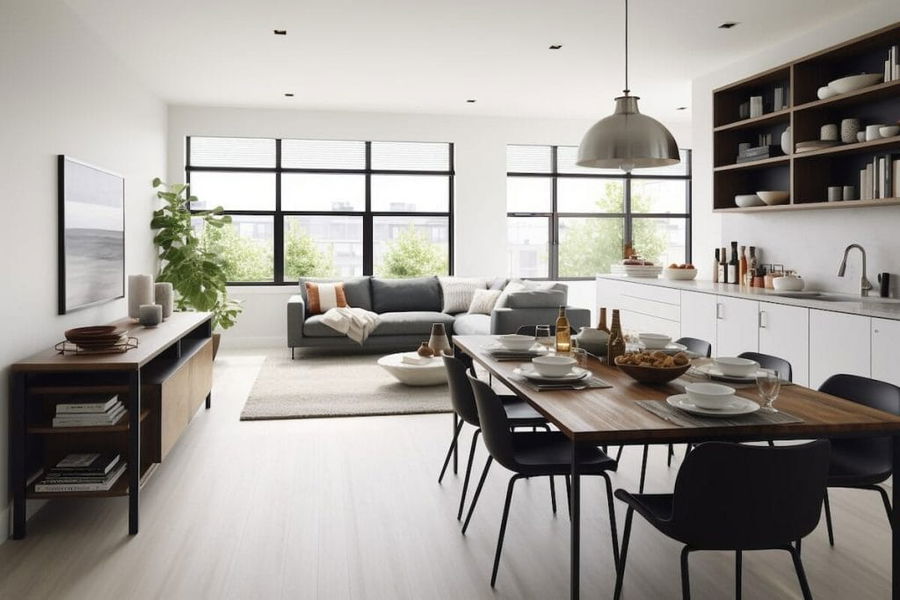
What this is: The living room and dining area share a continuous open space. Adjacent to it is a semi-open or L‑shaped kitchen, often defined by a half‑wall, peninsula, or counter instead of solid walls.
Why it works:
- Adds a sense of openness and spaciousness; light and air move freely, giving a visual boost to compact homes.
- Encourages interaction — cooking while hosting guests, family togetherness — useful in urban living.
- An L‑shaped kitchen layout is efficient: it optimizes corners, offers a good work triangle, and provides more counter space and storage compared to a straight “galley” layout.
Design tips:
- For the L‑shaped kitchen, leave enough clearance between kitchen and living/dining — typically ~90–110 cm — for comfortable movement.
- Use a peninsula or counter stool side to double as a breakfast bar or casual dining — ideal for compact families.
- To minimize cooking smells and noise reaching living areas, invest in a good kitchen hood, ventilation, and do regular cleaning (especially important in semi‑open kitchens).
- Complement with light or neutral colour schemes (white, pastel, beige) and minimal décor to keep the overall feel airy and uncluttered.
Best for: Young couples, small families, or individuals who like social spaces; people who cook often but don’t want isolation from living/dining areas; compact 2 BHK flats where maximizing visual space matters.
2. Efficient Bathrooms & Utility Planning — Wet‑Dry Separation + Shared Wet Zones


4
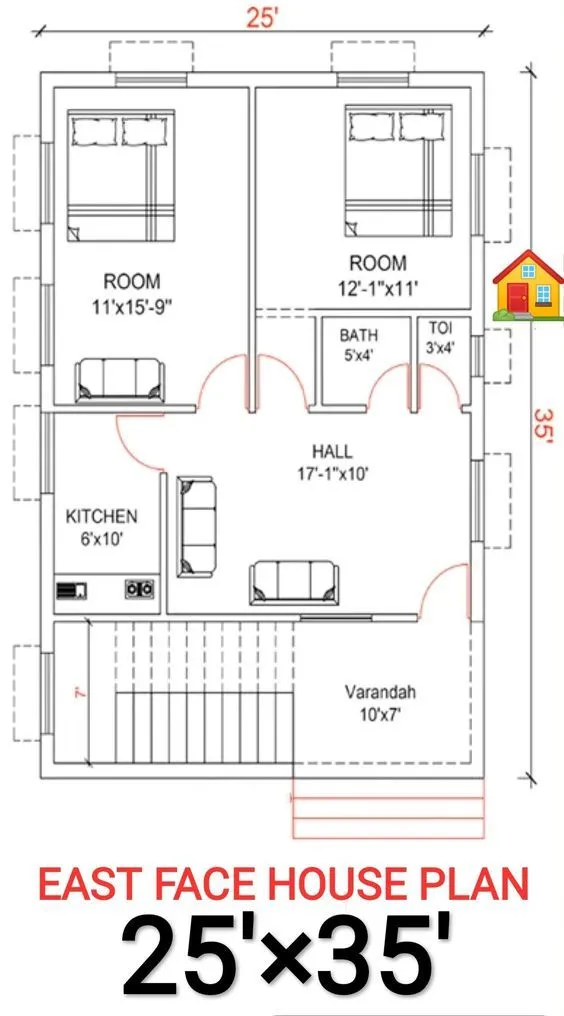
Bathrooms and utilities are often neglected in aesthetic plans — but a smart design here makes a big difference in everyday comfort and long-term maintenance.
What to do:
- Design bathrooms with wet (shower / bathtub / WC) and dry areas (sink / vanity) separated — increases usability, especially when multiple people use the bathroom. Helps keep floors dry and reduces wear.
- If possible, align wet areas (kitchen, bathroom, utility) along one vertical plumbing stack / corridor — this reduces plumbing costs and simplifies maintenance.
- Add a utility zone (for washing machine, dryer, storage) — possibly near the kitchen or balcony — to keep laundry and related mess hidden and organized.
Benefits:
- Better hygiene and dryness.
- Simultaneous use becomes easier (e.g. one person in shower, another at sink).
- Cleaner overall design; plumbing and services remain compact and easy to maintain.
Best for: Families, working couples, or anyone who values practicality and long-term convenience — especially in high-use bathrooms and kitchens.
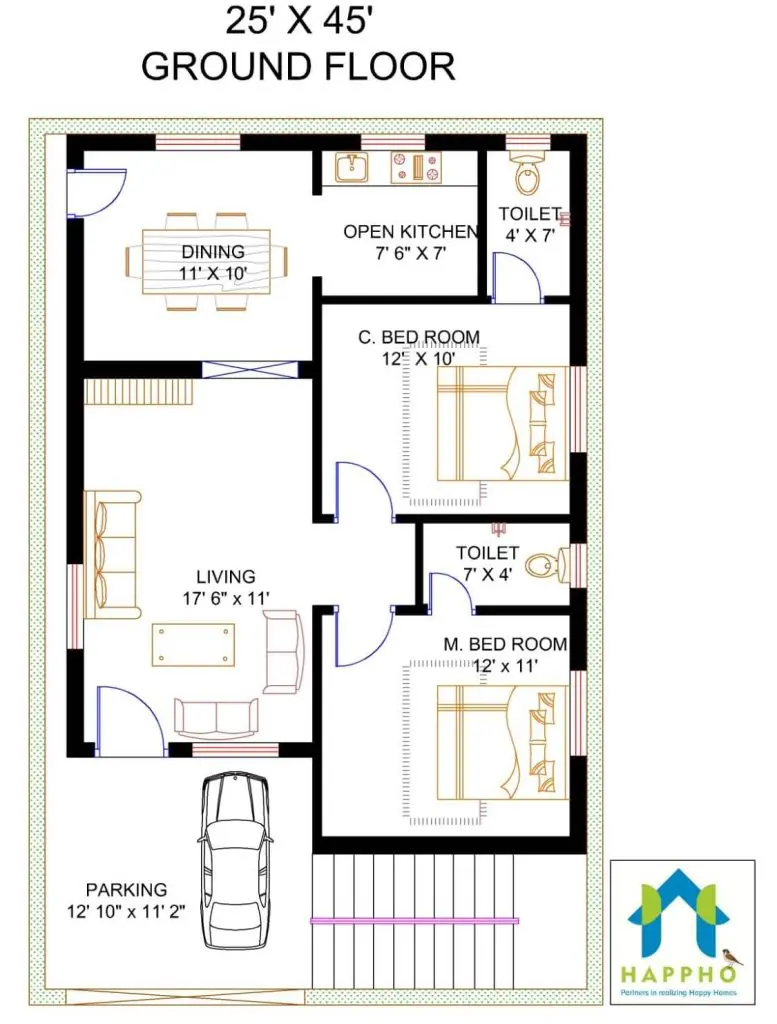
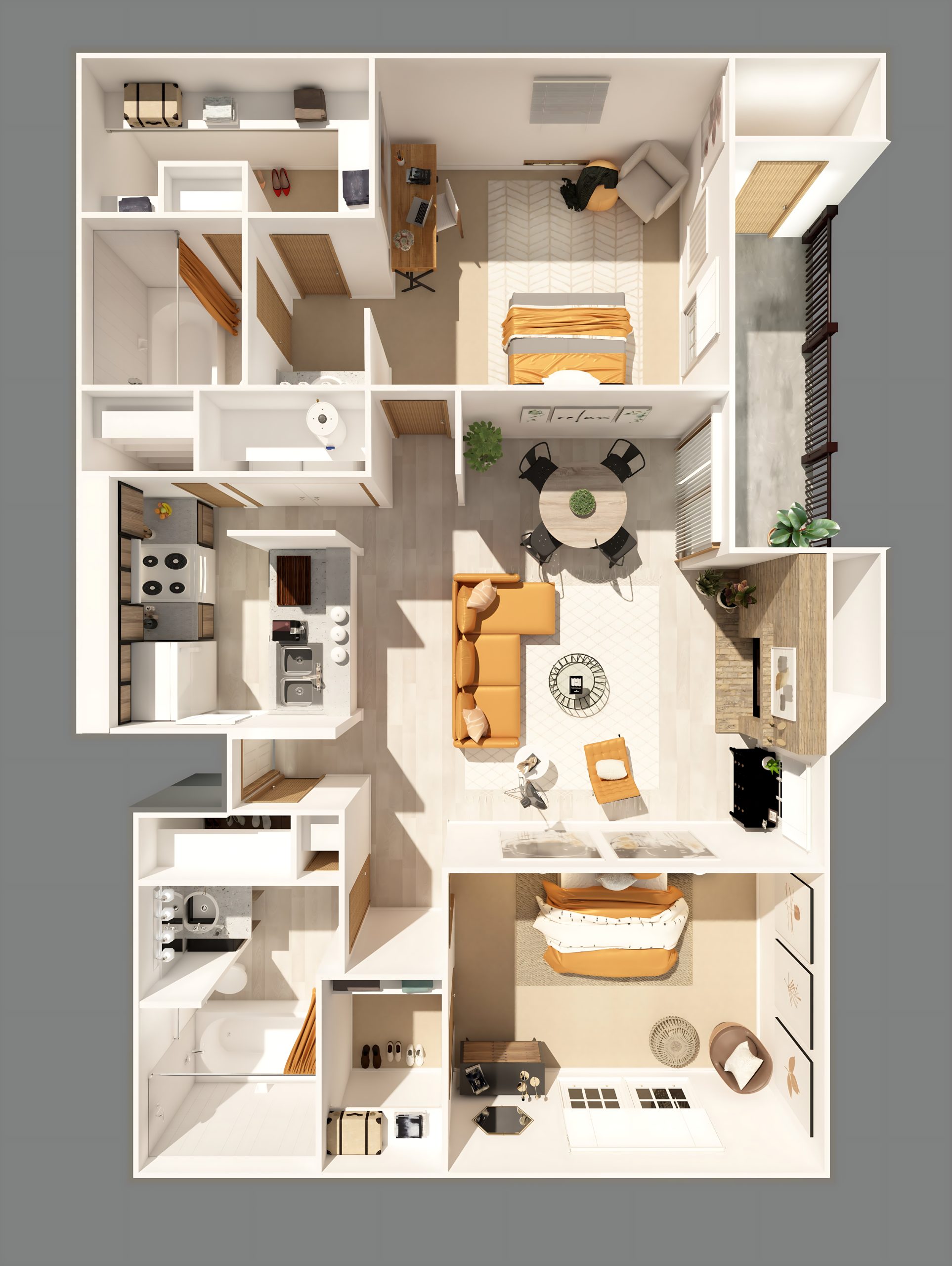
3. Smart Zoning — Quiet Bedrooms, Active Public Core

4
Zoning is about where and how you place rooms so the house works for daily life — privacy, noise, practicality.
Key ideas:
- Cluster active zones together (entry, living, kitchen) — good for social life, cooking, welcoming guests.
- Keep bedrooms quieter and more private — away from kitchens and living area; this gives better rest, privacy, especially for families with kids or shift workers.
- Avoid long, wasted corridors — corridors eat space. Instead, use circulation corridors smartly (e.g. convert part into storage, study niche, or decorative wall).
- Use sliding doors or pocket doors in tight spaces to minimize swing area — especially useful for bedrooms or bathrooms where space is premium.
Why this matters: Without smart zoning, a 2 BHK can feel choppy, cramped, or noisy. Good zoning helps it feel fluid, functional, restful.
Best for: Families, shared flats (flatmates), work-from-home residents, and anyone wanting balance between communal and private spaces.
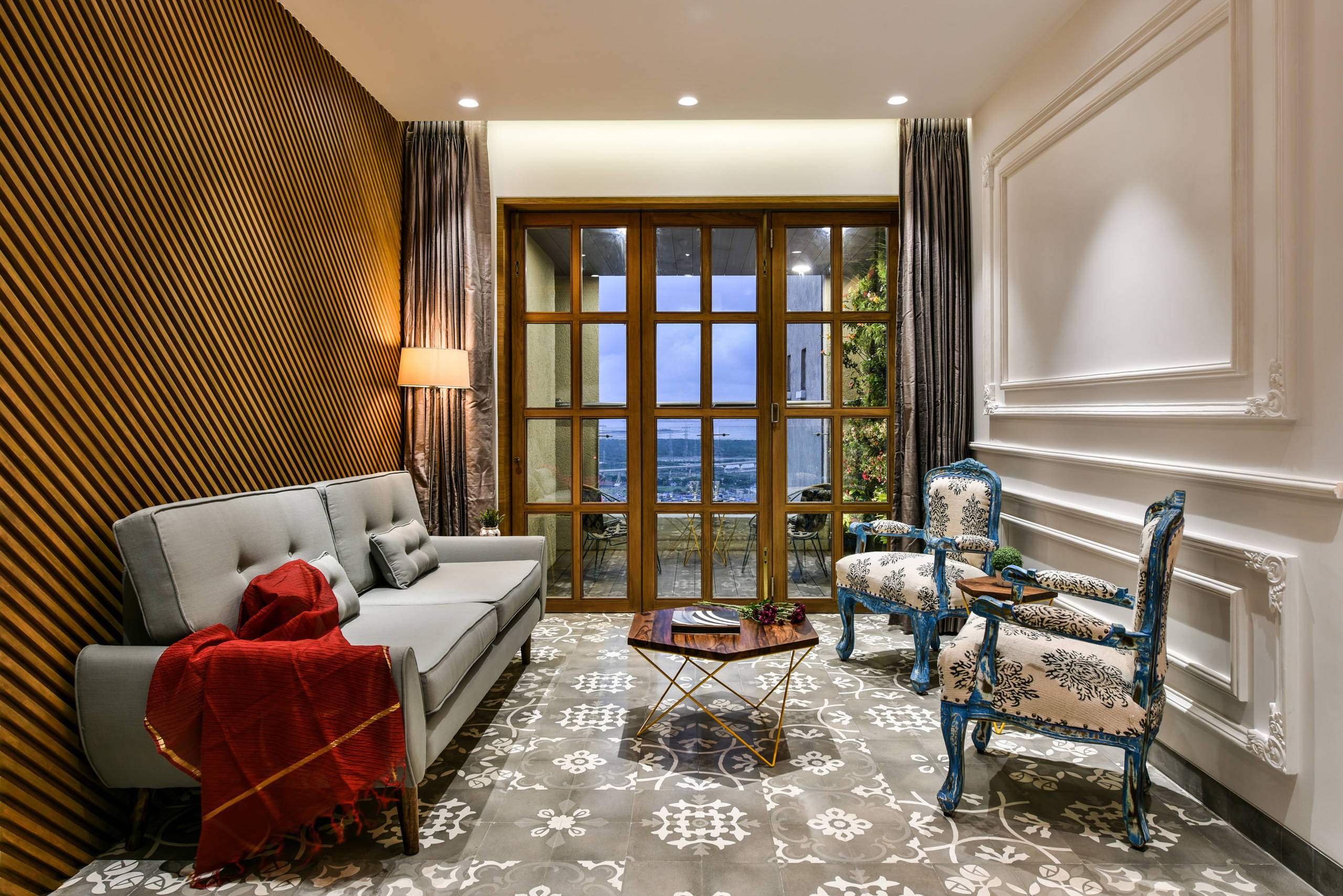
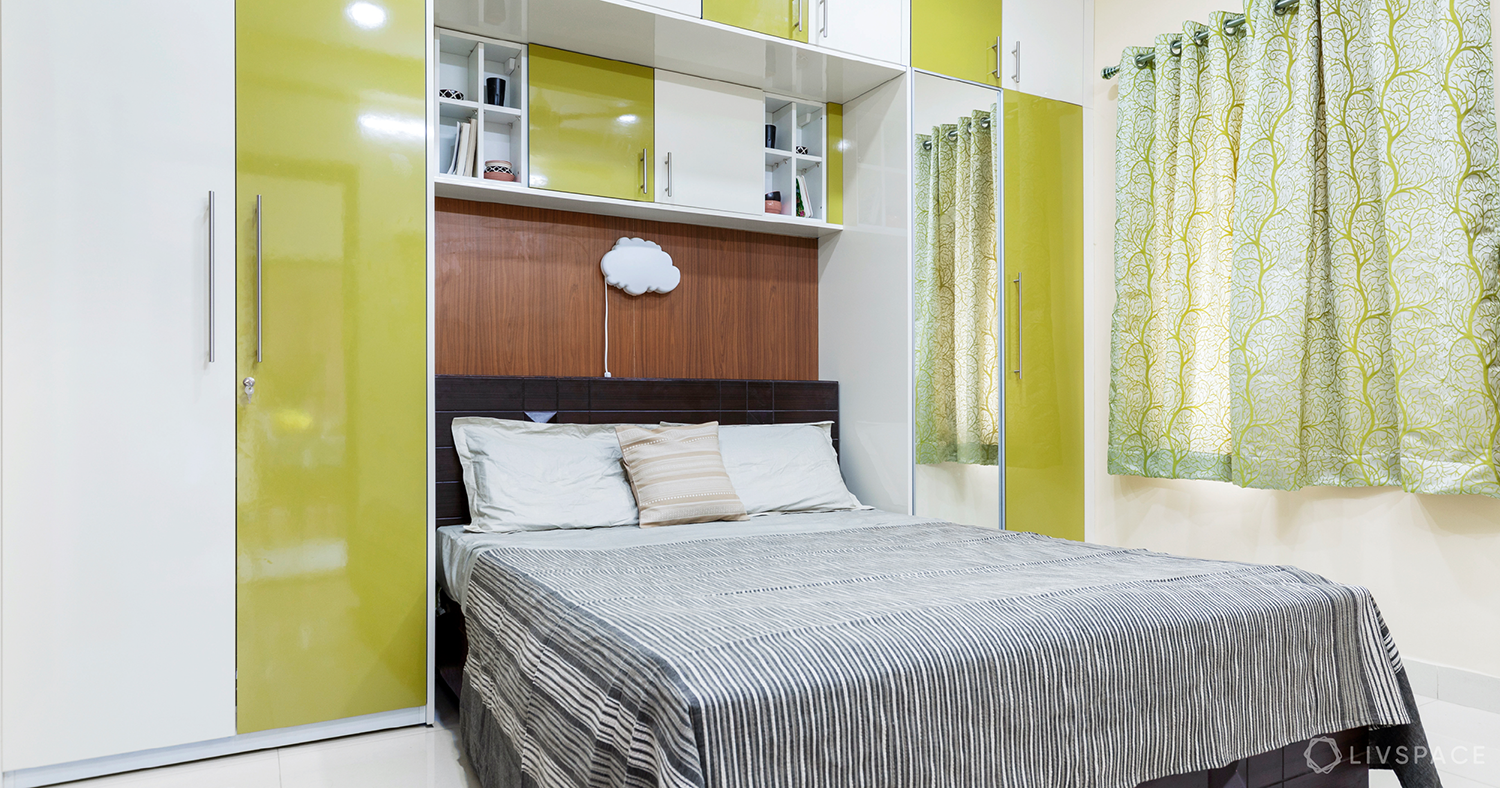
4. Built-in Storage & Vertical Space — Minimizing Clutter, Maximizing Utility

4
Storage — or lack thereof — often determines whether a home feels spacious or cramped. For 2 BHKs, built-ins and vertical storage are key.
Good practices:
- Use built-in storage walls — full height, flush with walls, minimal handles or recessed handles, so storage feels like part of architecture, not clutter.\
- Opt for multipurpose furni
- Use vertical space — tall wardrobes, wall‑mounted shelves, overhead cabinets — especially useful in living rooms and bedrooms to keep floor clean.
- For wardrobes/ storage, aim for practical depth (e.g. 24 inches / ~600 mm) for clothes/storage; for linen/book storage, shallower units suffice.
Result: Clutter disappears; floor space remains free; the home feels clean, spacious — interiors appear larger than actual footprint.
Best for: Compact flats, small families, people who prefer minimalist/modern aesthetics, tenants/owners wanting low maintenance and flexibility.
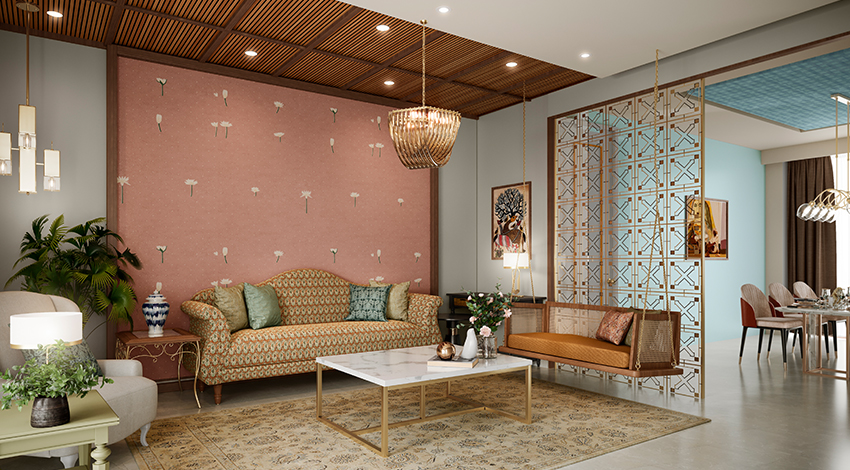
5. Light, Air & Color — Making a 2 BHK Feel Larger & More Inviting

4
A good layout isn’t enough — how you treat light, colour, airflow, and finishes strongly affects how the home feels.
Design guidelines:
- Use light-coloured walls and ceilings — whites, off‑whites, pastels, beige — these reflect light, make spaces look bigger.
- Maximize natural light and ventilation — wherever possible, plan windows, balconies, cross‑ventilation; use semi‑open layouts and glass partitions so light travels deep.
- Use mirrors or reflective finishes — mirrors, glass backsplashes, glossy cabinets — to bounce light, add depth and visual spaciousness.
- Layered lighting scheme — ambient ceiling lights, task lighting (kitchen, reading nook), accent/wall lighting — lighting helps zones feel distinct and enhances mood.
- Add texture and warmth — combine clean minimalism with natural materials (wood, linen, soft upholstery), plants, rugs — so space feels cozy, not sterile.
Why this matters: Proper light, colour, and airflow create comfort, improve well‑being, and make even small homes look welcoming and premium.
Sample 2 BHK Layouts / Floor‑Plan Scenarios
To make this concrete, here are some sample layout scenarios — depending on your plot/flat size, orientation, and lifestyle priorities.
| Scenario | Recommended Layout Approach | Key Considerations / Advantages |
|---|---|---|
| Compact 2 BHK (≈ 800–900 sq ft) — For couples, small families, rental flats | Open living+dining, L‑shaped kitchen, shared/common bathroom, built-in storage walls, minimal corridor | Maximizes volume, reduces wasted space; flexible living; easiest to manage and maintain. |
| Standard 2 BHK (≈ 950–1050 sq ft) — For small families wanting comfort + practicality | Bedrooms on opposite sides for privacy; living/dining + semi-open kitchen; wet-zone (bath + kitchen) aligned; built-in wardrobes; balcony/utility | Balanced space: private zones + social zones, efficient storage and circulation, better light & ventilation. |
| Premium / Spacious 2 BHK (~1100–1200 sq ft or more) — For comfort seekers, families wanting luxury feel | Open-concept living/dining, kitchen with utility or island, master bedroom with en-suite (if feasible), second bedroom as flex room (office/guest), smart storage, good lighting & finishes | Offers comfort, flexibility, and aesthetic appeal — close to 3 BHK feel while being cost-efficient. |
| Flex / Multi‑use 2 BHK (for WFH / occasional guests / small kids) | Second bedroom as flexible “flex room” — guest room / home office / kids’ room; sliding doors / sliding wardrobes / foldable furniture; built-in storage; light & ventilation emphasis | Provides adaptability as needs change over time (work from home, kids grow, guests visit). |
⚠️ Note on local constraints: In Indian cities, plot orientation (sunlight direction), ventilation, building regulations, plumbing constraints, and corridor/shaft positions influence layout feasibility. Always plan considering those.
Interior Design & Finishing Ideas: From Flat to “Home”
Layout gives structure; interiors give soul. Here are modern interior touches — particularly relevant if a developer like “AMBR Homes” aims to deliver flats that feel premium and ready-to-live.
- Minimalist living room design: Use neutral base colours (white/beige/pastel), a simple sofa (3‑seater instead of bulky sectional), nesting or foldable coffee tables, slim TV‑unit with hidden storage — this keeps the living area open and clutter‑free.
- Vertical and hidden storage: Floor-to-ceiling wardrobes, wall-mounted cabinets, overhead storage in bedrooms/living/dining, slim wardrobes — vertical space ensures floor remains free and home feels airy.
- Flexible/foldable furniture: For smaller 2 BHKs, furniture that doubles as storage or transforms (sofa‑cum‑bed, nesting tables, foldable dining, sliding wardrobes) adds great value and flexibility.
- Lighting & material finishes: Layered lighting (ambient + accent + task), light-coloured walls, glossy or glass surfaces (backsplashes, mirrors), natural-texture accents (wood, upholstery, rugs) — this elevates the look from “flat” to “home”.
- Air & light maximization: Large windows, balconies, glass partitions (where privacy allows), cross‑ventilation. Especially important in Indian climates: helps keep home airy, reduces dependence on artificial lighting/AC, improves comfort.
Challenges & Trade‑offs — What to Watch Out For
Designing modern 2 BHKs is not without trade‑offs. Here are common challenges and how to plan around them:
- Limited space means compromises: A compact 2 BHK will force choices: smaller second bedroom, fewer or no balconies, limited storages. Over‑packing rooms or bulky furniture can spoil the openness. Prioritizing what matters (storage, living space, light) is key.
- Open layouts can bring noise & smell: With open or semi‑open kitchens, cooking smells or noise can travel into the living/dining — making ventilation, exhaust, and cleanliness more important than ever.
- Built-ins and custom cabinetry reduce flexibility: Once you install built-in wardrobes or storage walls, re‑configuring space later becomes hard. This can be a hindrance if residents want to repurpose rooms.
- Ventilation and daylight dependent on orientation and placement: In many apartment blocks, windows/balconies may face limited directions — affecting light and airflow. Poor planning here can make even a well-designed layout feel dark or cramped.
- Cost and execution quality matters: Custom cabinetry, sliding doors, built-in storage, quality lighting/ventilation — if done poorly or on the cheap, they may fail to deliver intended benefits. Quality materials and precise execution are crucial.
Understanding these constraints helps set realistic expectations — and highlights the importance of good architecture & interior design.
Why “AMBR Homes” — Or Any Modern Builder — Should Embrace These Layout & Design Principles
If you are a home‑builder or real‑estate developer (like “AMBR Homes”), designing 2 BHK homes using the ideas above offers several advantages:
- Wider target market: 2 BHK remains one of the most popular options — young couples, nuclear families, first‑time buyers, small families — you tap into a broad customer base.
- Cost-effective but quality offering: Compared to larger apartments, 2 BHKs cost less to build per unit, but with smart design and finishing, you can deliver a home that feels premium, modern, and comfortable.
- Efficient use of plot / floor‑area: With compact but well‑planned layouts, more units can fit in the same footprint — better returns per square foot.
- Higher customer satisfaction: Homes that feel spacious, bright, and functional — with smart storage and modern aesthetics — tend to satisfy buyers more, reduce complaints, and build brand value.
- Flexibility & resale appeal: Well-designed 2 BHKs — with flexible bedrooms, built-in storage, open living — hold appeal for future resale or rental markets.
In short — with thoughtful planning, 2 BHKs need not feel “small”; they can feel modern, generous, and premium. That’s a strong proposition for any builder.
Checklist — What to Finalize Before Designing / Launching a 2 BHK Project
Before you commit to a layout or finalize interiors for a 2 BHK project, run through this checklist to ensure you’re covering all bases:
- Plot/flat orientation & window/balcony placements — ensure adequate light & ventilation.
- Plumbing & wet‑zone alignment (kitchen, bath, utility) — to lower cost and simplify maintenance.
- Furniture layout & clearance — ensure walking paths, door swings, circulation, clearances for movement.
- Storage needs — wardrobes, built‑ins, multipurpose furniture; vertical storage solutions.
- Lighting plan — layered lighting (ambient, task, accent), natural + artificial; lighting control (switches, dimmers).
- Kitchen & ventilation planning — especially if open or semi‑open kitchen: exhaust hood, proper airflow.
- Flexibility — ability to repurpose rooms (guest room, home office, kids’ room) easily over time.
- Finishes and materials — use light colours, reflective surfaces / glass / mirrors judiciously, quality materials for long-term durability.
- Budget vs features — built-ins, custom cabinetry, smart finishes — balance cost and value; measure every benefit.
- Compliance and safety — building codes, fire safety, ventilation, structural constraints.
Trends & What’s Changing in 2025+
Even as 2 BHK remains popular, some trends are shaping how they are designed in 2025 and beyond:
- Flexible / multipurpose spaces: As work-from-home becomes a norm, people want a second bedroom to double as a study or home office. Sliding partitions, foldable furniture, and multipurpose design add value.
- Emphasis on storage & minimalism: Buyers increasingly prefer hidden storage, clean lines, minimal clutter; built-ins, vertical storage, and multipurpose furniture are more in demand.
- Better lighting, ventilation and “wellness” features: Natural light, cross-ventilation, proper airflow, and design that enhances comfort — even in compact homes — are rising as priorities.
- Blending aesthetics with functionality: Flat owners want modern, stylish interiors — clean minimalism, neutral palettes, textured accents — while still demanding practical storage, comfort, and utility.
- Sustainable and smart-home ready features (less in small apartments but growing): good ventilation, efficient lighting, energy-efficient fixtures, perhaps even modular or customizable interiors — an emerging preference, especially among younger buyers.
Conclusion — A 2 BHK Is More Than “Small Apartment”
When designed smartly, a 2 BHK doesn’t have to feel like a compromise. With thoughtful layout, efficient zoning, smart storage, and aesthetic interiors, it can be a modern, comfortable, and beautiful home — fully compatible with contemporary lifestyles.
For builders like AMBR Homes, this means a strong opportunity: deliver thoughtfully designed 2 BHKs that combine affordability, functionality, and aspirational appeal — a home many want.
For buyers, it means that even a relatively modest flat can become a long-term home — flexible, adaptable, comfortable.