Buying a flat is one of the biggest financial decisions a family can make. With so many residential projects available, especially in growing markets such as Greater Noida West and Noida Extension homebuyers often find themselves comparing two or more projects that appear similar.
One project may offer a lower price, while another may have better amenities. One may have a better location, while another may offer a larger apartment. A project may look attractive in a brochure but have higher maintenance costs or less convenient connectivity.
So, how do you compare two residential projects before buying a flat?
The right approach is to compare the projects systematically rather than making a decision based only on price, advertisements, or the number of amenities.
In this guide, AMBR Homes explains the key factors you should compare before choosing a residential project.
Why Is Comparing Residential Projects Important?
Two projects can have similar prices and apartment sizes but offer very different living experiences.
For example:
- Project A may have a lower base price but higher additional charges.
- Project B may cost slightly more but provide a better location.
- Project A may have more amenities but higher maintenance costs.
- Project B may have fewer facilities but better usable space.
- One project may have stronger connectivity to your workplace.
- Another may offer better access to schools and hospitals.
Comparing these factors helps you understand the overall value of the property, rather than simply looking at its advertised price.
1. Compare the Location
Location should be one of the first factors you evaluate.
A good residential project should provide convenient access to the places you regularly visit.
Compare the distance from both projects to:
- Your workplace
- Schools
- Hospitals
- Shopping centers
- Public transportation
- Major roads
- Metro connectivity
- Airports or railway stations, where relevant
- Entertainment and recreational facilities
Example
Suppose Project A is ₹3 lakh cheaper but requires an additional 30 minutes of daily commuting. Project B costs slightly more but is significantly closer to your workplace.
Over several years, the additional travel time and transportation cost can become important.
Therefore, don’t compare only the purchase price. Compare the overall convenience of the location.
2. Compare Connectivity
Connectivity is particularly important for families and working professionals.
When comparing two residential projects in Greater Noida West, evaluate access to major roads and surrounding areas.
Check connectivity to:
- Noida
- Greater Noida
- Ghaziabad
- Delhi
- Noida Expressway
- Major employment hubs
- Schools and hospitals
Also consider your daily commute during peak traffic hours.
A project that looks close on a map may take significantly longer during busy periods.
Tip:
Visit both projects during morning and evening peak hours before making your final decision.
3. Compare the Builder’s Reputation
The developer behind a residential project can have a major impact on the buying experience.
Research the builder’s previous projects and look at:
- Construction quality
- Delivery history
- Customer reviews
- Project maintenance
- Quality of common areas
- After-sales service
- Transparency
- Track record
Don’t rely only on testimonials provided by the developer.
Search for independent customer experiences and, wherever possible, visit completed projects by the same builder.
A builder with a consistent track record can provide greater confidence to homebuyers.
4. Verify RERA and Project Details
Before purchasing a flat, verify the project’s relevant regulatory information.
For projects covered by RERA, check the project’s registration details and compare information with what the sales team has provided.
Look for information such as:
- Project registration
- Developer details
- Approved project information
- Proposed completion timeline
- Apartment details
- Number of units
- Project specifications
Always verify the latest official information rather than relying solely on brochures or sales presentations.
5. Compare Apartment Size and Carpet Area
One of the biggest mistakes homebuyers make is comparing apartments based only on their advertised size.
For example:
Project A: 1,250 sq. ft.
Project B: 1,300 sq. ft.
At first glance, Project B appears larger.
But you need to compare the carpet area and actual usable space.
Ask both developers for:
- Carpet area
- Built-up area
- Super built-up area
- Balcony area, where applicable
- Common-area loading
Important:
A larger advertised area does not necessarily mean more usable living space.
Compare the actual layout before deciding.
6. Compare the Floor Plan
Two apartments with the same carpet area can feel completely different because of their layouts.
Compare:
- Living room size
- Bedroom dimensions
- Kitchen layout
- Bathroom placement
- Balcony
- Storage
- Passage space
- Window placement
A well-planned floor plan can make an apartment feel more spacious and functional.
Ask yourself:
- Can your furniture fit comfortably?
- Is there enough storage?
- Is the kitchen practical?
- Are bedrooms sufficiently private?
- Is there good movement between rooms?
7. Compare Natural Light and Ventilation
Natural light and ventilation have a major impact on everyday comfort.
During a site visit, check:
- Window size
- Apartment orientation
- Cross ventilation
- Distance between buildings
- Balcony position
- Sunlight exposure
If possible, visit both properties at different times of the day.
Don’t rely solely on the sample apartment because the actual light and ventilation can vary depending on the apartment’s floor, orientation, and surrounding buildings.
8. Compare Construction Quality
Price and amenities are important, but construction quality should not be overlooked.
During your visit, observe:
- Flooring
- Doors
- Windows
- Walls
- Electrical fittings
- Bathroom fittings
- Plumbing
- Ceiling finish
- Common areas
- Lift quality
Ask about the materials and specifications being used.
If you are not comfortable evaluating construction quality yourself, consider taking an experienced professional or qualified property consultant during the inspection.
9. Compare Amenities
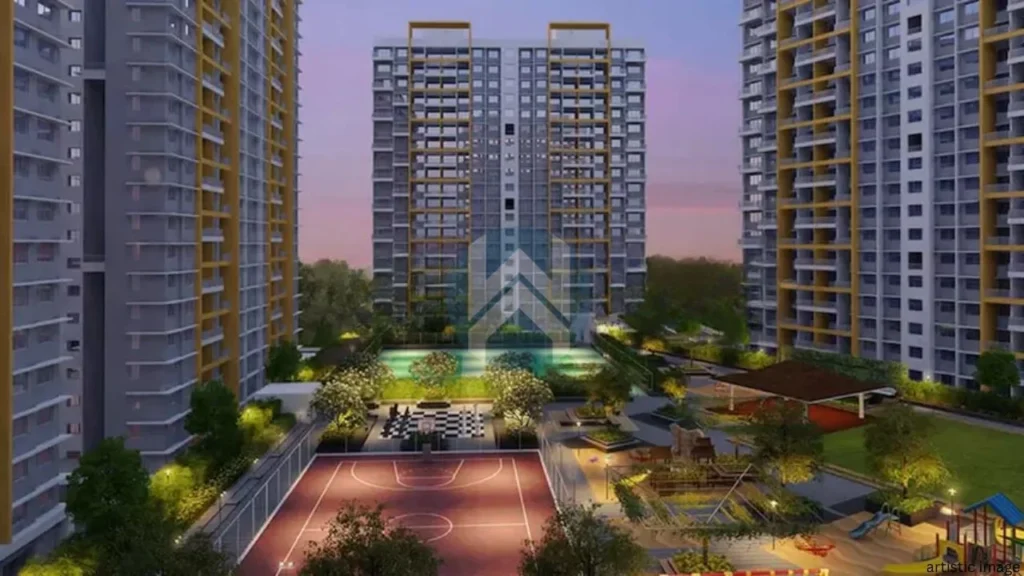
Most modern residential projects advertise numerous amenities.
Common facilities may include:
- Clubhouse
- Gym
- Swimming pool
- Children’s play area
- Gardens
- Walking tracks
- Sports facilities
- Community halls
- Indoor games
- Security
However, don’t choose a project simply because it has more amenities.
Instead, ask:
Are the amenities useful for your family?
If you have children, a good play area may be more valuable than a large recreational facility you rarely use.
If fitness is important, a functional gym and walking track may matter more.
Also check:
- Are the amenities operational?
- Who maintains them?
- Are there additional charges?
- How accessible are they?
- Are they overcrowded?
10. Compare Security
Security is particularly important for families.
Compare:
- Gated entry
- Security guards
- CCTV cameras
- Visitor management
- Vehicle access control
- Emergency systems
- Common-area lighting
Ask how visitors and delivery personnel are managed.
A secure residential environment should also have proper emergency access and clearly defined safety procedures.
11. Compare Parking
Parking is often overlooked during the initial property search.
Ask both developers:
- Is parking included?
- Is it covered or open?
- Is it allotted?
- Is visitor parking available?
- Is additional parking available?
- Are EV charging facilities available?
- What are the applicable charges?
Don’t assume that parking arrangements will be the same in both projects.
12. Compare Water and Power Backup
Essential services can significantly affect your daily living experience.
Check:
Water
- Source of water
- Storage facilities
- Backup arrangements
- Water treatment
- Sewage treatment
Power
- Power backup
- Lift backup
- Common-area backup
- Backup charges
- Generator capacity
Ask for clear information instead of relying on verbal assurances.
13. Compare Maintenance Charges
A property purchase involves more than the initial price.
You may have recurring expenses such as:
- Maintenance charges
- Clubhouse charges
- Parking charges
- Electricity for common areas
- Water charges
- Security expenses
- Other community-related charges
Before comparing two projects, calculate the estimated annual maintenance cost.
A project with a slightly higher purchase price but lower recurring costs may sometimes offer better long-term value.
14. Compare the Total Cost of Buying
This is one of the most important comparisons.
Don’t compare only:
Base Price
Instead, calculate:
Base Price + Floor Charges + Parking + Club/Infrastructure Charges + Applicable Taxes + Registration Costs + Other Applicable Charges
The exact charges vary by project and transaction.
Ask both developers for a complete cost sheet.
Then compare the final estimated purchase cost.
Example:
| Cost Component | Project A | Project B |
|---|---|---|
| Base Price | ₹XX | ₹XX |
| Additional Charges | ₹XX | ₹XX |
| Parking | ₹XX | ₹XX |
| Other Applicable Charges | ₹XX | ₹XX |
| Registration/Statutory Costs | ₹XX | ₹XX |
| Estimated Total | ₹XX | ₹XX |
This makes the comparison much more realistic.
15. Compare Payment Plans
Different projects may offer different payment structures.
Compare:
- Down payment
- Construction-linked plan
- Time-linked plan
- Loan requirements
- Booking amount
- Payment milestones
Don’t choose a payment plan only because the initial amount looks attractive.
Understand the total payment obligation and whether it fits your financial situation.
16. Compare Home Loan Options
If you’re financing the property through a home loan, compare:
- Available lenders
- Interest rates
- Loan eligibility
- Processing fees
- Prepayment terms
- Loan-to-value considerations
You should also understand whether the project has relationships with major financial institutions.
However, don’t choose a property solely because a particular lender offers financing.
The property itself should meet your requirements.
17. Compare Possession and Project Status
If you’re considering two projects at different stages, understand the implications carefully.
Compare:
- Current construction status
- Expected possession
- Regulatory timeline
- Actual progress
- Infrastructure around the project
- Availability of essential services
For an under-construction project, compare the actual progress with the stated schedule.
For a ready or completed project, inspect the apartment and common facilities personally.
18. Compare Open Spaces and Density
The number of apartments in a project can influence the overall living experience.
Compare:
- Number of towers
- Number of apartments
- Open-space ratio
- Distance between buildings
- Green areas
- Common-area crowding
For families who prefer a quieter environment, lower-density residential planning can be an important advantage.
19. Compare the Neighborhood
Don’t limit your comparison to the project boundary.
Explore the surrounding neighborhood.
Check:
- Nearby schools
- Hospitals
- Grocery stores
- Restaurants
- Markets
- Banks
- Public transportation
- Roads
- Construction activity
A residential project may have excellent internal amenities but limited access to everyday necessities.
20. Compare Resale and Rental Potential
If you’re buying partly as an investment, consider future demand.
Factors that can influence rental and resale demand include:
- Location
- Connectivity
- Apartment size
- Builder reputation
- Construction quality
- Amenities
- Maintenance
- Nearby employment centers
- Social infrastructure
Don’t assume that a property will automatically appreciate. Real estate performance depends on market conditions and many other factors.
21. Compare the Project’s Future Development
Look at what is planned around both projects.
Upcoming infrastructure can influence the area’s future convenience and attractiveness.
However, distinguish between:
Announced plans
and
Projects that are actually approved, funded, and under development.
Don’t make a property decision based entirely on unverified future promises.
22. Talk to Existing Residents
If one of the projects is occupied, talking to residents can provide valuable practical information.
Ask them about:
- Water supply
- Power backup
- Maintenance
- Security
- Construction quality
- Noise
- Parking
- Management
- Common facilities
Existing residents can sometimes provide insights that aren’t obvious during a sales visit.
23. Create a Property Comparison Scorecard
Instead of relying on memory, create a simple scorecard.
| Factor | Project A | Project B |
|---|---|---|
| Location | /10 | /10 |
| Connectivity | /10 | /10 |
| Builder Reputation | /10 | /10 |
| Carpet Area | /10 | /10 |
| Layout | /10 | /10 |
| Construction Quality | /10 | /10 |
| Amenities | /10 | /10 |
| Security | /10 | /10 |
| Parking | /10 | /10 |
| Maintenance | /10 | /10 |
| Total Cost | /10 | /10 |
| Legal/Project Information | /10 | /10 |
| Total | /120 | /120 |
You can also assign greater weight to the factors that matter most to your family.
For example, a family with young children might give more importance to:
- Security
- Schools
- Open spaces
- Children’s facilities
- Layout
An investor might give more importance to:
- Location
- Rental demand
- Resale potential
- Maintenance
- Connectivity
AMBR Homes: A Family-Focused Residential Option
For homebuyers exploring 2 & 3 BHK apartments in Greater Noida West AMBR Homes focuses on comfortable residential living with thoughtfully planned spaces and lifestyle-oriented features.
The residential offering emphasizes:
- 2 & 3 BHK apartments
- Low-rise residential environment
- Gated community living
- Security
- Clubhouse
- Gym
- Children’s play area
- Landscaped green spaces
- Parking
- Family-oriented surroundings
Instead of comparing properties only by price, homebuyers can evaluate AMBR Homes alongside other residential projects using the same checklist discussed in this guide.
A site visit can help you assess the apartment layout, surroundings, amenities, accessibility, and overall residential environment personally.
Common Mistakes When Comparing Residential Projects
Mistake 1: Comparing Only the Price
A cheaper property isn’t necessarily better value.
Mistake 2: Comparing Super Built-Up Area
Always understand the carpet area and usable space.
Mistake 3: Trusting Only Advertisements
Verify important claims independently.
Mistake 4: Ignoring Recurring Costs
Maintenance and other ongoing expenses matter.
Mistake 5: Not Visiting the Location
Always inspect the actual project and neighborhood.
Mistake 6: Ignoring Documentation
Review relevant legal and regulatory documents before booking.
Mistake 7: Choosing Based Only on Amenities
Focus on useful, operational, and well-maintained facilities.
Frequently Asked Questions
How should I compare two residential projects?
Compare location, connectivity, builder reputation, RERA information, apartment size, carpet area, floor plan, construction quality, amenities, security, parking, maintenance, total cost, possession status, and future convenience.
Should price be the most important factor?
No. Price is important, but it should be evaluated alongside apartment size, location, construction quality, recurring costs, amenities, and overall value.
How do I compare two flats with different sizes?
Compare their carpet areas, layouts, room dimensions, usable space, and total purchase costs rather than relying only on super built-up area.
Is a project with more amenities always better?
No. The quality, usability, maintenance, and operational status of amenities matter more than the number of facilities.
Should I visit both projects?
Absolutely. A physical site visit can reveal important details about construction, surroundings, access, noise, light, ventilation, parking, and common areas.
What documents should I check before buying?
The relevant project and property documents can vary. Buyers should verify applicable RERA information, title-related documents, approvals, agreements, and other required documentation and seek professional legal advice where appropriate.
Final Checklist
Before choosing between two residential projects, compare:
☑ Location
☑ Connectivity
☑ Builder reputation
☑ RERA/project information
☑ Carpet area
☑ Floor plan
☑ Construction quality
☑ Natural light and ventilation
☑ Amenities
☑ Security
☑ Parking
☑ Water supply
☑ Power backup
☑ Maintenance charges
☑ Complete cost sheet
☑ Payment plan
☑ Loan options
☑ Project status
☑ Neighborhood
☑ Rental/resale potential
☑ Future infrastructure
Conclusion
Comparing two residential projects before buying a flat requires more than checking the price and amenities. A smart homebuyer should evaluate the location, connectivity, builder reputation, apartment size, carpet area, layout, construction quality, security, parking, maintenance, legal documentation, total cost, and long-term convenience.
The best project is not necessarily the one with the lowest price or the longest list of amenities. It is the project that provides the right combination of location, quality, comfort, affordability, and suitability for your family’s needs.
If you are considering 2 & 3 BHK apartments in Greater Noida West, compare your shortlisted projects carefully, visit them personally, verify important information, and calculate the complete cost before making your final decision.