Buying a flat is a major decision, and most homebuyers spend considerable time comparing the location, price, carpet area, layout, amenities, and builder reputation. However, one factor that is sometimes overlooked can have a significant impact on your everyday living experience: the floor of the apartment.
Should you choose the ground floor? Is the first or second floor better for families? Does a middle floor offer the right balance? Are higher floors actually better? What about sunlight, ventilation, privacy, lift dependency, maintenance, views, resale value, and safety?
There is no single floor that is perfect for every buyer. The best floor depends on your lifestyle, budget, family requirements, mobility needs, preferred view, and the specific design of the building.
For buyers looking at 2BHK and 3BHK flats in Greater Noida West and Noida Extension, choosing the right floor is especially important because residential projects can offer apartments across multiple levels with different orientations, views, and price points.
In this guide, AMBR Homes explains the important factors you should consider before selecting the floor of your next apartment.
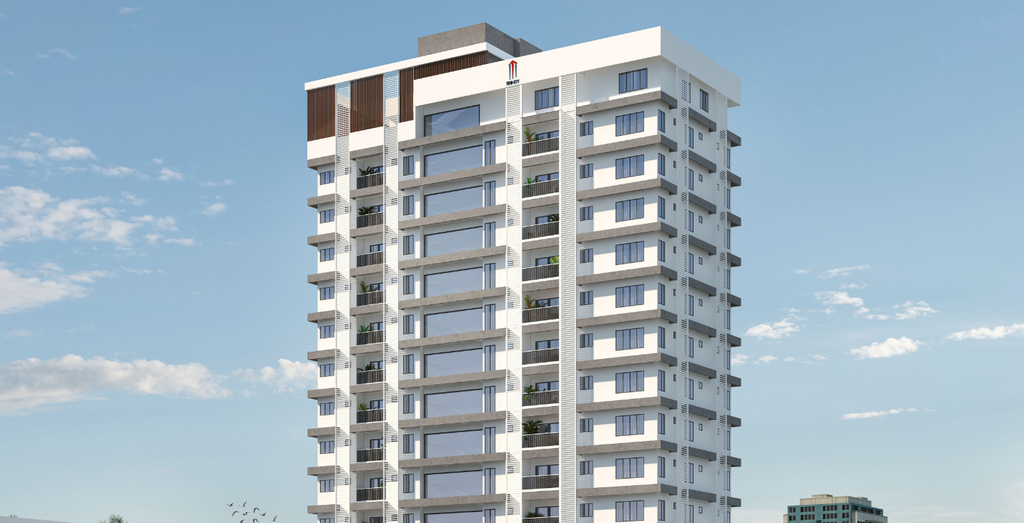
Why Does the Floor Matter When Buying a Flat?
The floor you choose can affect several aspects of your home, including:
- Privacy
- Natural light
- Ventilation
- Noise levels
- Views
- Accessibility
- Temperature and comfort
- Lift dependency
- Maintenance
- Price
- Rental demand
- Resale appeal
Two apartments in the same building can have the same carpet area and layout but offer very different living experiences simply because they are located on different floors.
Therefore, don’t select a floor only because it is cheaper or because it offers a better view.
Look at the complete picture.
Ground Floor Apartments
Ground-floor apartments are often preferred by buyers who prioritize accessibility and convenience.
One of the biggest advantages is that residents generally have easier access to the building entrance and common areas.
Advantages of Ground Floor
Easy Accessibility:
Ground-floor homes can be convenient for senior citizens, families with young children, and people who prefer minimal stair or lift usage.
Less Lift Dependency:
You don’t have to depend as much on elevators for everyday movement.
Convenient for Moving:
Moving furniture, groceries, luggage, and other household items can be easier.
Quick Access:
You can generally reach the entrance and outdoor areas quickly.
Potential Considerations
Ground-floor apartments may have:
- More interaction with common areas
- Less privacy in some layouts
- Greater exposure to activity near entrances
- Different levels of natural light depending on the building design
If you are considering a ground-floor apartment, inspect the exact location of windows, doors, entrances, landscaping, and nearby common areas.
First and Second Floors
The first and second floors can offer a practical balance between accessibility and elevation.
These floors may be suitable for families who want relatively easy access without choosing the ground floor.
Advantages
- Easier access compared with higher floors
- Less dependence on elevators
- Generally easier during lift maintenance
- Convenient for families
- Often easier for moving and daily access
The exact experience depends on the building’s design, floor height, surrounding landscaping, and location of the apartment.
Middle Floors
Middle floors are often considered a balanced option.
They can provide a combination of:
- Privacy
- Accessibility
- Natural light
- Ventilation
- Reduced street-level disturbance
- Good views
For many homebuyers, middle floors can represent a comfortable compromise between lower and higher floors.
However, don’t assume that every middle-floor apartment is automatically better.
The actual floor plan, orientation, nearby buildings, and window placement matter significantly.

Higher Floors
Higher-floor apartments can be attractive to buyers who value:
- Better views
- More privacy
- Reduced direct street-level disturbance
- Open surroundings
- Natural ventilation
Depending on the location and building design, higher floors may provide a more open visual environment.
Potential Considerations
Higher floors also mean greater reliance on elevators.
You should therefore consider:
- Number of lifts
- Lift capacity
- Backup power
- Lift maintenance
- Emergency arrangements
- Fire safety systems
- Staircase accessibility
Before choosing a higher floor, understand the building’s safety and emergency provisions.
1. Consider Your Family’s Needs
The first question should be:
Who will live in the apartment?
A floor that works well for a young couple may not be ideal for a family with elderly parents.
For Families With Children
Parents may prioritize:
- Safety
- Privacy
- Easy access
- Nearby play areas
- Balcony safety
- Noise levels
For Senior Citizens
Lower floors may be more convenient because they reduce reliance on elevators.
For Working Professionals
Higher floors may be attractive if they offer greater privacy and less street-level disturbance.
Your family’s lifestyle should therefore influence your decision.
2. Check Natural Light
Natural light can make an apartment feel brighter, more comfortable, and more spacious.
Before choosing a floor, check:
- Direction of the apartment
- Window placement
- Distance from nearby buildings
- Balcony orientation
- Surrounding towers
- Sunlight throughout the day
Don’t assume that a higher floor automatically receives more sunlight.
A lower-floor apartment with a good orientation may receive better natural light than a higher-floor apartment facing another building.
If possible, visit the sample or actual apartment at different times of the day.
3. Check Ventilation
Good ventilation is another important consideration.
Look for:
- Window placement
- Cross ventilation
- Balcony orientation
- Distance between buildings
- Direction of prevailing airflow
- Position of kitchens and bathrooms
A well-designed apartment can provide good airflow regardless of the floor.
Therefore, focus on the specific apartment’s layout, not just its floor number.
4. Think About Privacy
Privacy can be an important advantage of higher floors.
Lower-floor apartments may have greater visibility from:
- Roads
- Walkways
- Gardens
- Parking areas
- Common spaces
Higher floors may provide more separation from these activities.
However, privacy also depends on:
- Window direction
- Distance between buildings
- Neighboring towers
- Balcony position
- Building layout
Before booking, check what is directly opposite your apartment.
5. Consider Noise Levels
Noise can affect your comfort significantly.
Apartments closer to:
- Main roads
- Entrances
- Parking areas
- Clubhouses
- Play areas
- Commercial areas
- Construction activity
may experience different noise levels.
A higher floor can sometimes reduce direct street-level noise, but this isn’t guaranteed.
For a quieter home, don’t just choose the highest available floor. Instead, evaluate the apartment’s location within the project.
6. Check the View
If you value an open view, the floor can make a significant difference.
Higher floors may provide views of:
- Landscaped areas
- City surroundings
- Open land
- Roads
- Skyline
However, a “good view” is subjective.
For one buyer, a garden-facing apartment may be ideal. Another buyer may prefer an open city view.
Before choosing, ask yourself:
What do I want to see when I look out of my balcony every morning?
7. Consider Temperature and Sun Exposure
Floor selection can also influence your perception of temperature, but the effect depends heavily on:
- Orientation
- Building design
- Window size
- Insulation
- Glazing
- Direct sun exposure
- Local climate
For example, an apartment receiving strong afternoon sunlight may feel different from one with softer morning exposure.
Therefore, consider floor + direction + window orientation together.
8. Lift Dependency
This becomes particularly important as you move toward higher floors.
Before choosing a higher apartment, check:
- How many lifts serve the building?
- Is there a service lift?
- Is there backup power?
- How are lifts maintained?
- Is there adequate staircase access?
- What happens during maintenance?
If you live on a higher floor, lift availability becomes part of your everyday routine.
9. Safety and Emergency Planning
Safety should never be ignored when choosing a floor.
Ask the builder or project management about:
- Fire safety systems
- Emergency exits
- Staircases
- Fire extinguishers
- Alarm systems
- Emergency lighting
- Backup power
- Evacuation procedures
Don’t choose a floor solely for its view or price without understanding the building’s safety arrangements.
10. Check the Floor Height
The number of floors alone doesn’t tell you everything.
For example, the actual height between floors can differ from one building to another depending on design.
Therefore, when comparing apartments, consider the actual elevation and surrounding buildings, rather than simply saying:
“This is the 10th floor, so it must have the best view.”
The surrounding towers could still affect the view.
11. Floor and Property Price
Floor preference can influence apartment pricing.
Depending on the project and market, certain floors may carry a premium because of:
- Better views
- Greater privacy
- Preferred orientation
- Reduced noise
- Higher demand
However, pricing varies by project.
Instead of paying extra simply for a higher floor, determine whether the additional cost actually provides benefits that matter to you.
Ask:
“What am I getting for the additional price?”
12. Floor and Resale Value
The floor can also influence buyer preferences in the resale market.
Some buyers prefer:
- Lower floors for accessibility
- Middle floors for balance
- Higher floors for views and privacy
Therefore, there is no universal rule that one floor will always have the best resale value.
The resale potential of an apartment depends on many factors:
- Location
- Project quality
- Apartment size
- Layout
- Floor
- Orientation
- Maintenance
- Amenities
- Connectivity
- Market demand
Choose a floor that has broad practical appeal, rather than trying to predict the resale market based on floor number alone.
13. Consider Maintenance and Everyday Convenience
Higher floors can require greater dependence on lifts.
Lower floors may provide easier access but can have different considerations related to privacy and common-area activity.
Think about your daily routine:
- How often do you go outside?
- Do you have young children?
- Do elderly family members live with you?
- Do you frequently receive deliveries?
- Do you work from home?
- Do you need a quiet environment?
Your answers can help determine the most practical floor.
14. Don’t Ignore the Apartment’s Orientation
Floor and orientation should always be evaluated together.
A well-oriented apartment on a lower floor can be more comfortable than a poorly oriented apartment on a much higher floor.
Check:
- Morning sunlight
- Afternoon sunlight
- Balcony direction
- Window placement
- Cross ventilation
- Nearby buildings
- Open spaces
This is particularly important when comparing two apartments with similar sizes.
15. Floor Selection for 2BHK Flats
For a 2BHK flat, the ideal floor depends on the buyer’s priorities.
Young Couples
May prefer middle or higher floors for privacy and views.
Families With Children
May prefer lower or middle floors for convenience.
Senior Citizens
May prefer lower floors because of easier accessibility.
Investors
Should consider what local tenants prefer, along with rental demand and overall project characteristics.
16. Floor Selection for 3BHK Flats
For larger family apartments, the floor can become even more important because more people may be using the home every day.
A 3BHK buyer should consider:
- Family age groups
- Number of occupants
- Privacy
- Balcony views
- Noise
- Natural light
- Ventilation
- Accessibility
A family with children and elderly parents may prioritize a different floor from a family of young professionals.
17. What Should You Check Before Booking?
Before finalizing your apartment, create a simple checklist.
Apartment Checklist
Floor:
Is the floor suitable for your family?
Orientation:
Does the apartment receive desirable natural light?
Ventilation:
Are the windows and balconies positioned effectively?
View:
What will you see from the apartment?
Privacy:
Is the apartment exposed to roads, walkways, or neighboring buildings?
Noise:
Is it near a road, entrance, parking, clubhouse, or play area?
Lift:
Are there sufficient lifts and backup arrangements?
Safety:
Are fire and emergency systems properly planned?
Price:
Does the floor premium make sense for your budget?
Resale:
Would the apartment appeal to future buyers?
Common Mistakes When Choosing a Floor
1. Choosing Only Based on Price
The cheapest floor may not be the best fit for your lifestyle.
2. Choosing the Highest Floor Automatically
Higher doesn’t always mean better.
3. Ignoring Orientation
Direction can affect sunlight and ventilation significantly.
4. Not Checking Nearby Buildings
A high floor can still have a blocked view.
5. Ignoring Lift Facilities
Higher floors make lift availability more important.
6. Forgetting Family Requirements
Your family’s age, mobility, and lifestyle should influence the decision.
7. Not Visiting the Property
Photos and brochures cannot always show the actual living environment.
How AMBR Homes Can Help You Choose the Right Apartment
When searching for 2BHK and 3BHK flats in Greater Noida West, buyers should evaluate more than just the apartment’s price and size.
At AMBR Homes, homebuyers can consider practical factors such as:
- Apartment layout
- Carpet area
- Floor
- Orientation
- Natural light
- Ventilation
- Privacy
- Amenities
- Connectivity
- Construction quality
- Overall value
The right floor should complement your lifestyle and provide a comfortable living experience.
Whether you prefer a convenient lower floor, a balanced middle floor, or a higher floor with greater privacy and views, the decision should be based on your actual requirements.
Frequently Asked Questions
Which floor is best for buying a flat?
There is no universally best floor. Lower, middle, and higher floors each have advantages. The best choice depends on your lifestyle, budget, accessibility needs, view preferences, and apartment orientation.
Is the top floor good for a flat?
A top-floor apartment can offer greater privacy, fewer direct neighbors above, and potentially better views. However, buyers should also evaluate lift dependency, heat exposure, waterproofing, and building-specific factors.
Is the ground floor good for families?
Ground-floor apartments can be convenient for families because of easier accessibility. However, privacy, noise, security, and surrounding activity should be checked carefully.
Which floor is best for senior citizens?
Lower floors can be more convenient for senior citizens because they reduce dependence on elevators. However, lift availability and building design should still be considered.
Does floor affect flat price?
It can. Some projects charge different prices based on floor, view, orientation, or other factors. Always compare the additional cost with the actual benefit.
Does a higher floor get more sunlight?
Not necessarily. Sunlight depends on orientation, window placement, surrounding buildings, and building design. A higher floor may have more open exposure, but the exact apartment should be evaluated.
Final Thoughts
Choosing the best floor when buying a flat is about much more than selecting a number on a building plan.
A good floor should match your family requirements, lifestyle, budget, accessibility needs, privacy expectations, natural-light preferences, ventilation requirements, and long-term plans.
Ground floors can offer convenience and accessibility. Lower floors can reduce lift dependency. Middle floors often provide a practical balance. Higher floors can offer privacy and open views.