The real estate market offers numerous opportunities for buyers, investors, and businesses. Whether you are purchasing your first home or planning to expand your investment portfolio, understanding the difference between residential and commercial property is essential.
Many first-time buyers often get confused about which property type best suits their financial goals. While residential properties are ideal for personal living and long-term family needs, commercial properties are primarily designed for business purposes and often provide higher rental income.
At AMBR Homes, we believe that informed buyers make better investment decisions. This comprehensive guide explains every important difference between residential and commercial properties, helping you choose the right investment according to your budget, objectives, and future plans.
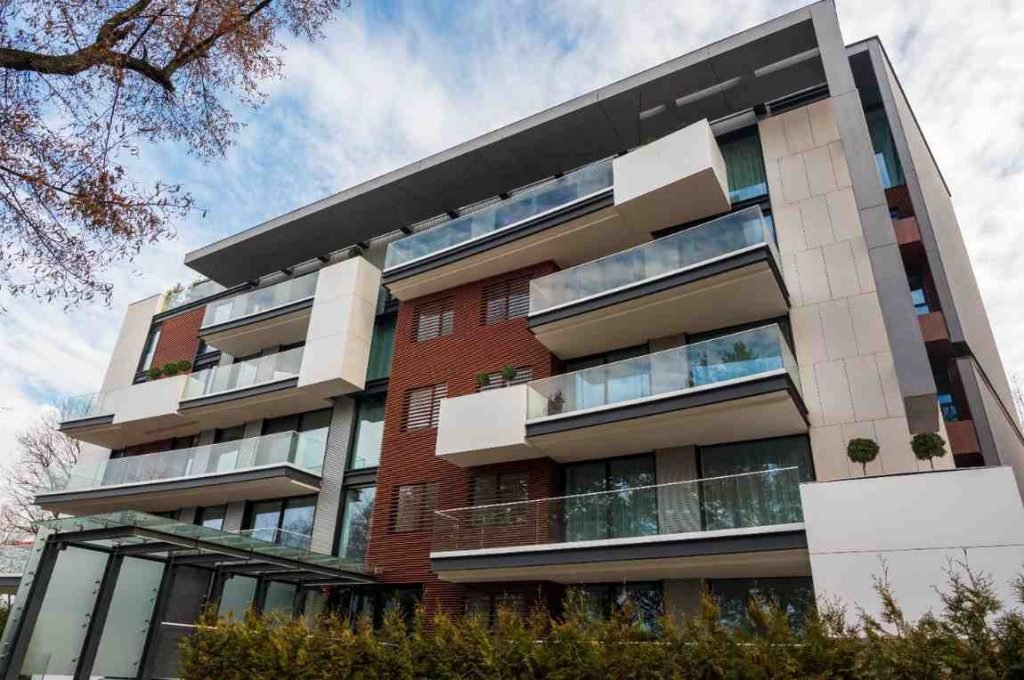
What is Residential Property?
Residential property refers to real estate that is designed for people to live in. These properties are used as permanent or temporary residences and include various housing options suitable for individuals and families.
Examples include:
- Apartments
- Flats
- Independent Houses
- Villas
- Duplex Homes
- Builder Floors
- Residential Plots
In rapidly developing locations like Greater Noida West, residential properties have become one of the most preferred investment choices due to excellent infrastructure, metro connectivity, educational institutions, healthcare facilities, and growing employment opportunities.
AMBR Homes offers thoughtfully designed residential apartments that combine comfort, affordability, and modern lifestyle amenities for families seeking quality living.
What is Commercial Property?
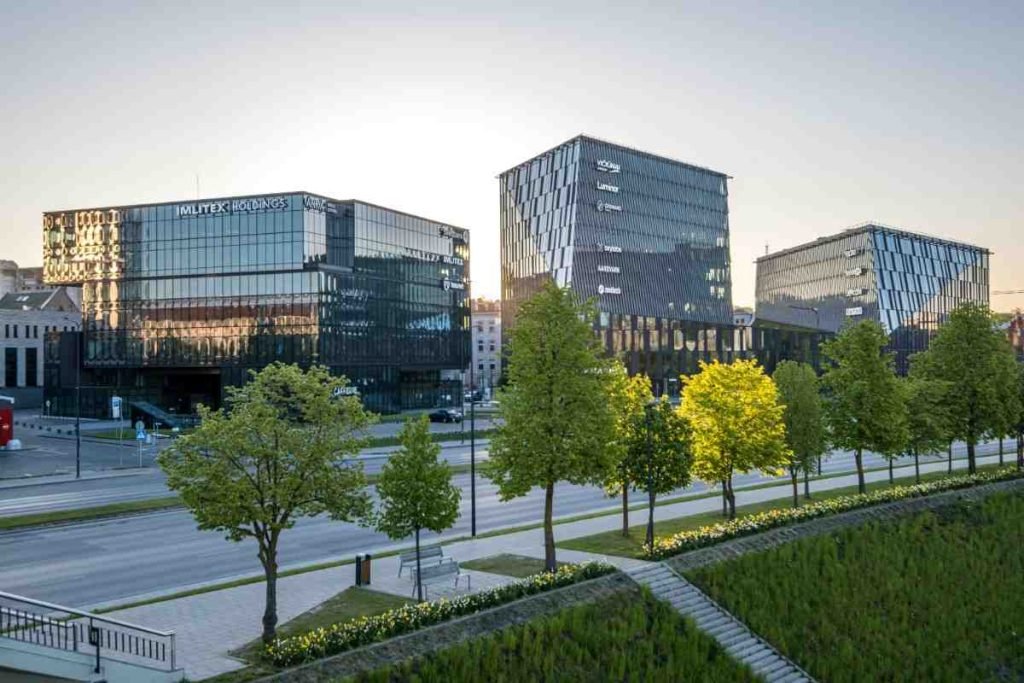
Commercial property refers to real estate used for business, trade, or professional activities. These properties generate income through rent or business operations.
Common examples include:
- Office Buildings
- Retail Shops
- Shopping Complexes
- Warehouses
- Business Parks
- Hotels
- Restaurants
- Showrooms
- Industrial Units
Commercial real estate generally attracts businesses instead of individual homebuyers and usually offers higher rental returns compared to residential properties.
Residential vs Commercial Property: Quick Comparison
| Feature | Residential Property | Commercial Property |
|---|---|---|
| Purpose | Living | Business Activities |
| Buyers | Families & Individuals | Companies & Investors |
| Investment Amount | Lower | Higher |
| Rental Income | Moderate | Higher |
| Loan Approval | Easier | More Documentation |
| Maintenance | Lower | Higher |
| Risk | Relatively Low | Moderate to High |
| Appreciation | Stable | Depends on Business Growth |
| Financing | Easier | Slightly Complex |
1. Purpose of Investment
The biggest difference lies in the purpose of buying the property.
Residential property is purchased for:
- Self-use
- Family living
- Future security
- Rental income
- Long-term appreciation
Commercial property is purchased for:
- Running businesses
- Office operations
- Retail stores
- Investment income
- Leasing to companies
If your primary goal is owning a comfortable home, residential property is the obvious choice. If your objective is maximizing business income, commercial property may be more suitable.
2. Initial Investment Cost
Residential properties generally require a lower investment than commercial properties.
For example:
- A modern 2BHK apartment in Greater Noida West is often more affordable than purchasing a commercial office or retail space in the same region.
Commercial properties involve additional costs such as:
- Higher registration fees
- Interior setup
- Business compliance
- Higher maintenance expenses
This is why residential properties remain the preferred option for first-time investors.
3. Financing and Home Loans
Banks usually provide home loans for residential properties with attractive interest rates and flexible repayment options.
Benefits include:
- Lower interest rates
- Longer repayment tenure
- Higher loan eligibility
- Government housing schemes
- Easier documentation
Commercial property loans generally involve:
- Higher interest rates
- Shorter repayment periods
- Larger down payments
- More detailed financial verification
For salaried buyers, residential financing is significantly easier.
4. Rental Income
One of the biggest reasons investors consider commercial property is rental yield.
Residential Property
Rental income depends on:
- Location
- Amenities
- Connectivity
- Builder reputation
Typical residential rental yields in India range between 2–4% annually, though this varies by city and project.
Commercial Property
Commercial properties often provide higher rental yields because businesses usually pay higher rents for well-located spaces. However, returns can fluctuate based on occupancy, local demand, and economic conditions.
5. Risk Factor
Residential properties generally involve lower risk because housing demand remains relatively stable.
People always need homes.
Commercial property demand depends on:
- Business growth
- Economic conditions
- Market competition
- Consumer spending
- Office occupancy
If businesses struggle or relocate, commercial vacancies may last longer than residential vacancies.
6. Maintenance Costs
Residential maintenance usually includes:
- Security
- Housekeeping
- Common area maintenance
- Garden maintenance
- Lift maintenance
Commercial properties may require additional expenses such as:
- Advanced security systems
- Larger common areas
- Parking management
- HVAC maintenance
- Specialized infrastructure
Therefore, commercial maintenance costs are generally higher.
7. Appreciation Potential
Both residential and commercial properties can appreciate over time, but appreciation depends on several factors.
Residential appreciation is influenced by:
- Infrastructure development
- Metro connectivity
- Schools and hospitals
- Builder credibility
- Demand from homebuyers
Commercial appreciation depends on:
- Business activity
- Office demand
- Retail growth
- Employment generation
- Corporate expansion
In developing locations like Greater Noida West, improving infrastructure has supported demand for residential properties over the years, although future performance always depends on market conditions.
8. Tax Benefits
Tax benefits are another major difference between residential and commercial properties.
Residential Property Tax Benefits
Homebuyers can enjoy several tax benefits under the Income Tax Act (subject to applicable laws and eligibility), including deductions on:
- Home loan interest
- Principal repayment
- First-time homebuyer benefits (where applicable)
These benefits can significantly reduce the overall financial burden of owning a home.
Commercial Property Tax Benefits
Commercial property owners may claim deductions for certain business-related expenses, such as loan interest and depreciation, depending on the nature of ownership and tax regulations. Tax treatment can be more complex than for residential properties.
Winner: Residential property for individual homebuyers.
9. Liquidity (Ease of Selling)
Liquidity means how quickly a property can be sold.
Residential Property
Residential properties generally have a larger buyer base because:
- Families always need homes.
- Home loans are widely available.
- Budget options attract first-time buyers.
- Demand remains relatively consistent.
Commercial Property
Commercial properties often take longer to sell because:
- Fewer buyers can afford them.
- Business demand affects interest.
- Investors evaluate ROI carefully before purchasing.
If quick resale is important, residential property is usually the easier option.
10. Target Buyers
Residential Property Buyers
- Families
- Salaried professionals
- First-time homebuyers
- NRIs
- Retired individuals
- Investors seeking stable rental income
Commercial Property Buyers
- Business owners
- Corporate companies
- Retail brands
- Franchise owners
- Institutional investors
Understanding the target audience helps determine resale potential and long-term demand.
11. Rental Stability
Residential Rental Income
Residential tenants often stay for longer periods, especially families, resulting in more stable occupancy.
Commercial Rental Income
Commercial leases can be longer, but vacancies may take more time to fill if a tenant leaves.
Rental stability depends on location, demand, and market conditions.
12. Maintenance Responsibilities
Residential properties generally require:
- Cleaning of common areas
- Security services
- Lift maintenance
- Garden maintenance
- Water supply management
Commercial buildings may additionally require:
- HVAC systems
- Fire safety compliance
- Larger parking areas
- Business signage management
- Higher electricity infrastructure
Commercial maintenance costs are usually higher.
Advantages of Residential Property
1. Affordable Entry
Residential apartments usually require a lower investment than commercial properties.
2. Easier Financing
Banks commonly offer home loans with competitive interest rates and longer repayment periods.
3. Stable Demand
Housing demand remains relatively steady because people always need places to live.
4. Lower Risk
Residential properties are generally less affected by short-term business cycles.
5. Easier Resale
A larger pool of buyers often makes residential properties easier to sell.
Advantages of Commercial Property
1. Higher Rental Yield
Commercial properties can generate higher rental income in strong business locations.
2. Long-Term Business Tenants
Businesses may sign longer lease agreements than residential tenants.
3. Business Appreciation
Commercial values may increase significantly in rapidly developing commercial districts.
4. Professional Tenants
Commercial tenants often maintain the property according to lease agreements.
Disadvantages of Residential Property
- Lower rental yield compared to some commercial properties
- Appreciation depends heavily on location and infrastructure
- Periodic maintenance expenses
- Tenant management if rented out
Disadvantages of Commercial Property
- Higher purchase price
- Higher maintenance costs
- More complex financing
- Vacancy risk during economic slowdowns
- Smaller buyer market
Which Property Should First-Time Buyers Choose?
For most first-time buyers, residential property is generally the more practical choice because it offers:
- Affordable pricing
- Easier financing
- Lower risk
- Better suitability for self-use
- Simpler buying process
Those looking to operate a business or diversify an investment portfolio may also consider commercial property after evaluating their financial goals and risk tolerance.
Why Greater Noida West is a Popular Residential Destination
Greater Noida West has emerged as one of the fastest-growing residential regions in the NCR due to:
- Excellent road connectivity
- Upcoming metro expansion
- Reputed schools and colleges
- Hospitals and healthcare facilities
- Shopping malls and entertainment hubs
- Growing employment opportunities
- Modern residential communities
Residential vs Commercial Property: ROI Comparison
Return on Investment (ROI) is one of the most important factors when choosing between residential and commercial property. While both asset types can generate returns, they differ in terms of risk, income, and long-term potential.
| Factor | Residential Property | Commercial Property |
|---|---|---|
| Initial Investment | Lower | Higher |
| Rental Yield | Moderate | Generally Higher |
| Risk Level | Low to Moderate | Moderate to High |
| Buyer Demand | High | Moderate |
| Loan Availability | Easier | More Complex |
| Maintenance Cost | Lower | Higher |
| Best For | Families & First-Time Buyers | Experienced Investors & Businesses |
If your goal is to own a home, build long-term wealth, and enjoy stable appreciation, residential property is often a suitable choice. If your focus is maximizing rental income and you have a higher investment budget, commercial property may be worth considering.

Factors to Consider Before Buying Any Property
Before making a property investment, evaluate the following:
1. Location
A good location can significantly influence future appreciation and rental demand.
Consider:
- Connectivity
- Metro access
- Schools
- Hospitals
- Shopping centres
- Employment hubs
2. Budget
Calculate your:
- Down payment
- Home loan eligibility
- Monthly EMI
- Registration charges
- Maintenance costs
Avoid stretching your finances beyond a comfortable limit.
3. Builder Reputation
Always choose a builder known for:
- Quality construction
- Timely delivery
- Transparent pricing
- Customer support
- Legal compliance
4. Legal Verification
Verify:
- RERA registration
- Land ownership documents
- Approved building plans
- Completion or occupancy certificates (where applicable)
- Home loan approvals from reputed banks
5. Future Infrastructure
Look for upcoming developments such as:
- Metro connectivity
- Expressways
- IT parks
- Commercial hubs
- Schools and hospitals
These projects can positively influence future property demand.
Why Residential Property is a Smart Choice for Families
For most homebuyers, residential property offers benefits beyond financial returns.
It provides:
- A secure living environment
- Stability for children
- Long-term asset creation
- Potential tax benefits (subject to applicable laws)
- Emotional satisfaction of owning a home
Instead of paying rent for years, owning a home helps build equity over time.
Why Choose AMBR Homes?
At AMBR Homes, we understand that buying a home is one of the biggest decisions in life. Our mission is to provide thoughtfully designed homes that combine affordability, quality, and modern living.
What Makes AMBR Homes Different?
- Spacious 2BHK & 3BHK apartments
- Prime location in Greater Noida West
- Excellent connectivity to Noida, Delhi, and Ghaziabad
- Modern architecture
- Premium lifestyle amenities
- Gated community with security
- Transparent buying process
- Customer-focused service
- Value-driven pricing
- Homes designed for modern families
Whether you are buying your first home or making a long-term investment, AMBR Homes is committed to helping you find a property that matches your lifestyle and aspirations.
Frequently Asked Questions (FAQs)
1. Which is better: residential or commercial property?
It depends on your goals. Residential property is generally suitable for self-use and first-time buyers, while commercial property may appeal to investors seeking business-oriented rental income.
2. Which property gives better rental income?
Commercial properties often have the potential for higher rental yields, although returns vary based on location, occupancy, and market conditions.
3. Is residential property safer for investment?
Residential properties are often considered lower-risk because housing demand tends to remain more stable over time.
4. Can I get a home loan for commercial property?
Yes, commercial property loans are available, but they may involve different eligibility criteria, interest rates, and documentation compared to residential home loans.
5. Is Greater Noida West a good place to buy a home?
Greater Noida West has become a popular residential destination due to its improving infrastructure, connectivity, educational institutions, healthcare facilities, and growing housing options.
Final Thoughts
Choosing between residential and commercial property depends on your financial objectives, investment horizon, and risk tolerance.
If your goal is to own a comfortable home, enjoy long-term stability, and build wealth gradually, residential property is often the ideal choice.
If you have a larger budget, understand market dynamics, and are looking for potentially higher rental returns, commercial property may be a suitable investment.
Before making any decision, evaluate the property’s location, legal status, builder reputation, and future growth prospects. A well-informed investment today can provide lasting value in the years ahead.