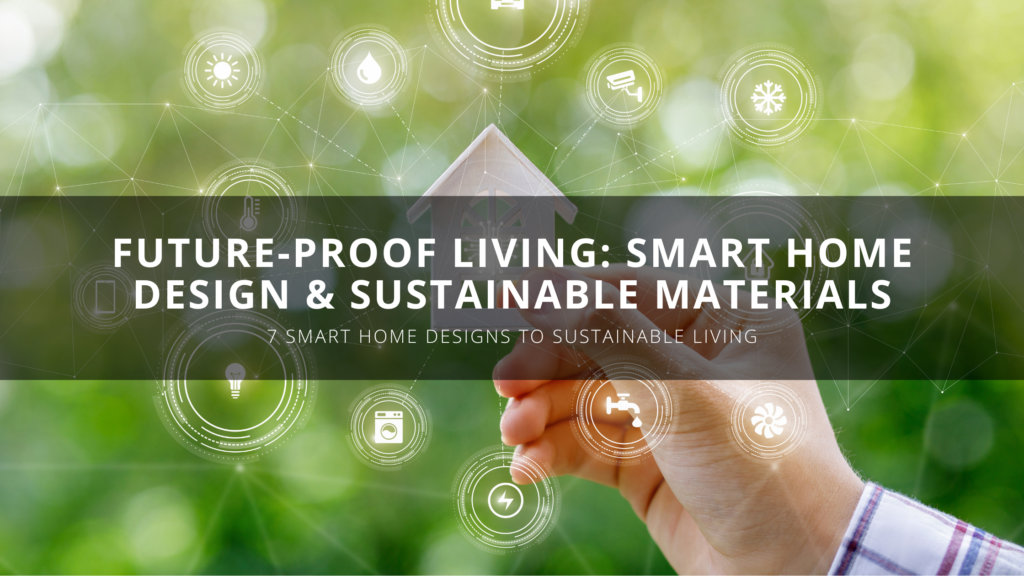
The way we design and build homes is evolving faster than ever. Today’s homeowners are no longer looking for just beautiful interiors or spacious rooms—they want homes that are intelligent, energy-efficient, environmentally responsible, and ready for the future. As technology advances and sustainability becomes a global priority, future-proof living has become the new standard for modern homebuyers.
A future-proof home is designed to adapt to changing lifestyles, technological advancements, climate challenges, and growing energy demands. It combines smart home technology with sustainable construction practices to create comfortable, efficient, and eco-friendly living spaces.
Whether you’re purchasing your first home, investing in real estate, or planning to build your dream house, understanding the principles of smart home design and sustainable materials can help you make informed decisions that deliver long-term value.
This guide explores everything you need to know about future-proof living—from smart automation systems to eco-friendly building materials that improve your quality of life while reducing environmental impact.
What is Future-Proof Living?
Future-proof living refers to designing and building homes that remain functional, efficient, and valuable for many years. These homes are created with flexibility, durability, and sustainability in mind.
Instead of focusing only on today’s needs, future-proof homes anticipate tomorrow’s challenges by incorporating:
- Smart technology
- Energy-efficient systems
- Sustainable materials
- Water conservation
- Flexible layouts
- Better indoor air quality
- Renewable energy integration
The goal is simple:
Create homes that save money, protect the environment, and offer maximum comfort throughout changing lifestyles.
Why Future-Proof Homes Are Becoming Popular
Several factors are driving the demand for smarter and greener homes.
Rising Energy Costs
Electricity prices continue increasing worldwide. Energy-efficient homes reduce monthly utility bills significantly.
Climate Change
Extreme weather events encourage builders to use stronger and more sustainable construction materials.
Better Lifestyle
Smart homes provide greater convenience, security, and comfort through automation.
Higher Property Value
Homes equipped with modern technologies often enjoy higher resale values and attract more buyers.
Government Support
Many governments encourage sustainable construction through green building policies and incentives.
Smart Home Design: The Future of Modern Living
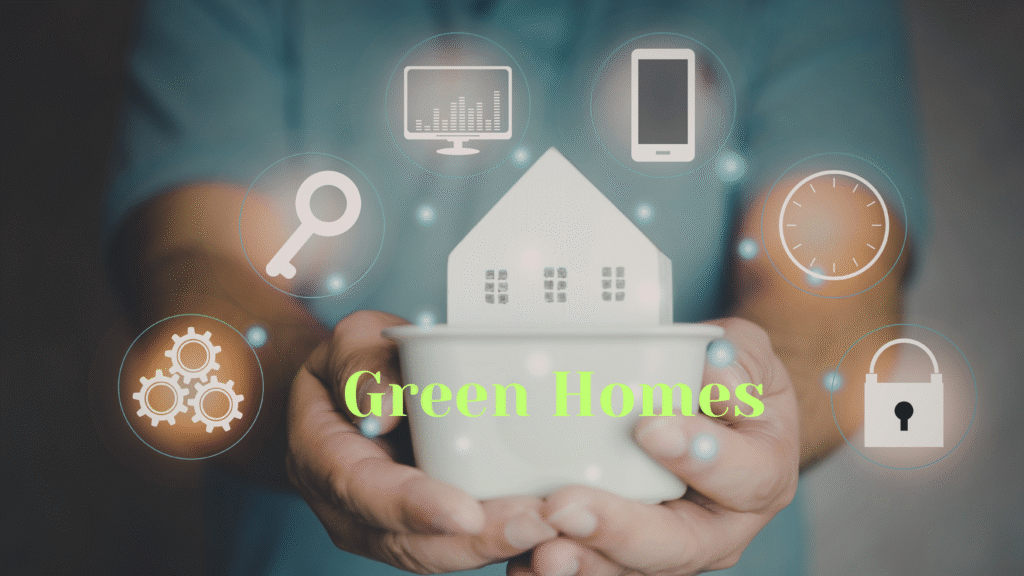
Smart homes use connected devices that communicate through the internet to automate everyday tasks.
These systems improve convenience, safety, energy efficiency, and security.
Some of the most popular smart home features include:
Smart Lighting Systems
Smart lighting automatically adjusts brightness based on:
- Occupancy
- Time of day
- Natural sunlight
- User preferences
Benefits include:
- Lower electricity bills
- Extended bulb lifespan
- Remote control using smartphones
- Voice control through virtual assistants
Smart Thermostats
Heating and cooling account for a large portion of household energy use.
Smart thermostats learn your daily routine and automatically adjust temperatures to optimize comfort while reducing energy consumption.
Advantages include:
- Lower energy bills
- Better indoor comfort
- Remote temperature control
- Automatic scheduling
Smart Security Systems
Modern homes now include intelligent security solutions such as:
- Smart door locks
- Video doorbells
- Motion sensors
- AI surveillance cameras
- Remote monitoring
Homeowners receive instant notifications whenever unusual activity is detected.
Smart Appliances
Today’s kitchens feature appliances that communicate with smartphones.
Examples include:
- Smart refrigerators
- Wi-Fi washing machines
- Smart ovens
- Robot vacuum cleaners
These appliances improve convenience while reducing electricity and water usage.
Smart Water Management
Water conservation has become increasingly important.
Smart systems monitor:
- Water consumption
- Leakage detection
- Automatic irrigation
- Rainwater harvesting integration
This helps homeowners save thousands of liters annually.
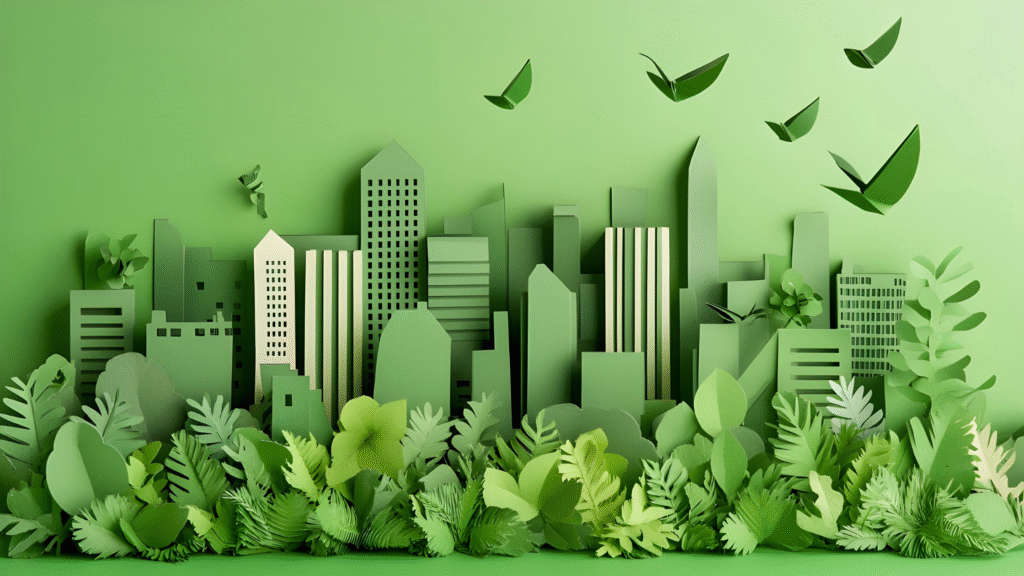
Sustainable Materials: Building Homes That Last
The materials used in construction have a major impact on a home’s environmental footprint.
Sustainable building materials are designed to:
- Reduce pollution
- Last longer
- Improve insulation
- Lower maintenance costs
- Minimize waste
Let’s explore some of the most popular options.
Bamboo
Bamboo is one of the fastest-growing natural resources.
Benefits include:
- Renewable
- Strong and durable
- Lightweight
- Attractive appearance
- Low carbon footprint
Bamboo is commonly used for flooring, furniture, and decorative panels.
Recycled Steel
Steel is one of the world’s most recycled materials.
Advantages include:
- Exceptional strength
- Fire resistance
- Long lifespan
- Reduced construction waste
Using recycled steel significantly lowers environmental impact compared to newly manufactured steel.
Reclaimed Wood
Instead of cutting new trees, reclaimed wood reuses timber from:
- Old buildings
- Warehouses
- Bridges
- Barns
It provides:
- Unique appearance
- Reduced deforestation
- Excellent durability
Fly Ash Bricks
Fly ash bricks are becoming increasingly popular in modern construction.
Benefits include:
- Better insulation
- Uniform size
- Reduced cement usage
- Lower environmental impact
- Greater strength
AAC Blocks
Autoclaved Aerated Concrete (AAC) blocks are lightweight construction materials widely used in energy-efficient buildings.
Advantages:
- Better thermal insulation
- Fire resistance
- Lower structural load
- Faster construction
- Reduced cooling costs
Low VOC Paints
Traditional paints release harmful chemicals called Volatile Organic Compounds (VOCs).
Low VOC paints improve:
- Indoor air quality
- Health
- Environmental safety
They are especially beneficial for families with children and elderly members.
Energy-Efficient Windows
Windows play a major role in maintaining indoor temperatures.
Modern energy-efficient windows offer:
- Double glazing
- UV protection
- Noise reduction
- Better insulation
These reduce cooling and heating requirements throughout the year.
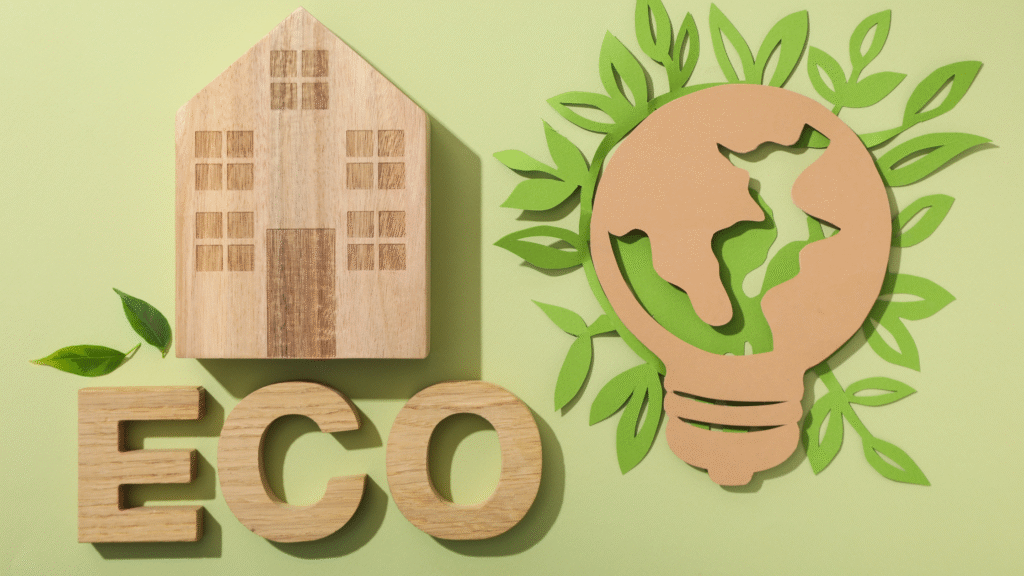
Solar Energy Integration
One of the biggest features of future-proof homes is renewable energy.
Solar panels provide:
- Lower electricity bills
- Reduced carbon emissions
- Greater energy independence
- Long-term savings
Many homeowners recover installation costs within several years through energy savings.
Rainwater Harvesting
Rainwater harvesting systems collect rainwater for:
- Gardening
- Toilet flushing
- Cleaning
- Landscape irrigation
Benefits include:
- Reduced water bills
- Groundwater conservation
- Lower dependence on municipal supply
Energy-Efficient Home Design
Technology alone cannot create an efficient home.
Architectural design also plays an important role.
Important design elements include:
Natural Ventilation
Proper airflow reduces dependence on air conditioning.
Daylighting
Large windows allow natural sunlight, reducing daytime electricity usage.
Thermal Insulation
Well-insulated walls and roofs keep homes cooler during summer and warmer during winter.
Shaded Balconies
Balconies with proper shading reduce indoor heat gain.
Smart Home Automation Ecosystem
Modern homes integrate multiple systems into one centralized platform.
Homeowners can control:
- Lighting
- Air conditioning
- Security
- Curtains
- Entertainment systems
- Appliances
Everything can be managed using:
- Smartphones
- Tablets
- Smart speakers
- Voice assistants
Health Benefits of Smart Sustainable Homes
Future-proof homes don’t just save money—they also improve well-being.
Benefits include:
Better Air Quality
Smart ventilation systems reduce indoor pollutants.
Comfortable Temperatures
Automated climate control maintains ideal indoor conditions.
Reduced Noise
High-performance windows and insulation minimize outside noise.
Improved Lighting
Natural daylight positively impacts mood and productivity.
Financial Benefits
Although future-proof homes may require a slightly higher initial investment, they offer significant long-term savings.
These include:
- Lower electricity bills
- Lower maintenance costs
- Reduced repair expenses
- Higher resale value
- Better rental demand
Many buyers now specifically search for energy-efficient homes.
Future Trends in Smart Housing
The future of residential construction is becoming even more exciting.
Emerging innovations include:
Artificial Intelligence
AI will learn homeowner preferences and automate daily routines.
Smart Energy Grids
Homes will communicate directly with electricity providers to optimize power usage.
Electric Vehicle Charging
Future homes will include dedicated EV charging stations.
Home Health Monitoring
Sensors will monitor air quality, humidity, and environmental conditions.
Net Zero Homes
These homes produce as much energy as they consume.
How Builders Are Adopting Sustainable Construction
Leading real estate developers are increasingly focusing on green building practices by incorporating:
- Solar-ready rooftops
- Water-efficient plumbing
- LED lighting
- Waste management systems
- Native landscaping
- Energy-efficient elevators
- Sustainable sourcing of construction materials
These features make residential communities more resilient and environmentally responsible.
Tips for Homebuyers Choosing a Future-Proof Home
Before purchasing a property, ask the builder about:
- Energy-efficient construction
- Smart home features
- Sustainable materials used
- Water-saving systems
- Solar readiness
- Internet infrastructure
- EV charging provisions
- Ventilation design
- Natural lighting
- Maintenance costs
Choosing a future-ready home today can provide decades of comfort and savings.
Future-Proof Living in Growing Urban Areas
Rapidly developing cities are witnessing increased demand for smart and sustainable housing. Homebuyers are prioritizing projects that offer energy efficiency, intelligent security, green landscapes, and eco-friendly construction over conventional developments.
For growing regions, investing in homes designed with future-ready infrastructure not only enhances everyday living but also strengthens long-term property value.
Conclusion
Future-proof living is no longer a luxury—it’s becoming an essential part of modern homeownership. Smart home technology and sustainable materials work together to create homes that are safer, healthier, more efficient, and environmentally responsible.
From intelligent lighting and automated security systems to solar energy, rainwater harvesting, and eco-friendly construction materials, every feature contributes to a better quality of life while reducing long-term operating costs.
As cities continue to expand and technology evolves, homes designed with sustainability and adaptability will remain in high demand. Whether you’re buying your first apartment, upgrading to a larger home, or investing in real estate, choosing a future-proof property is a decision that benefits both your family and the planet.